Many men become more interested in prostate wellness as they age, especially when they notice changes related to urinary habits, pelvic comfort, or overall men’s health. While prostate concerns can vary from person to person, maintaining healthy daily habits may help support the body’s natural functions.
One approach gaining attention is A Simple 30-Sec Technique for Prostate, a quick routine focused on strengthening and activating the pelvic floor muscles.
This technique is based on the idea that small, consistent daily actions can contribute to better awareness, muscle control, and overall pelvic wellness.
A Simple 30-Sec Technique for Prostate is a quick daily pelvic floor routine that may support muscle control, urinary comfort, and overall men’s wellness.


The pelvic region contains important muscles that support bladder control, bowel function, and sexual health. For men, keeping these muscles active and strong may be an important part of maintaining long-term wellness.
Pelvic floor exercises, including controlled contractions and relaxation techniques, are commonly recommended to help strengthen these supporting muscles.
Unlike complicated routines that require equipment or long workout sessions, a 30-second technique can easily fit into a busy lifestyle. The goal is not to replace medical care but to create a simple habit that supports a healthy routine.
This guide explains what the 30-second prostate technique involves, how it works, possible benefits, lifestyle factors that influence prostate wellness, and how men can build a consistent daily approach.
What Is A Simple 30-Sec Technique for the Prostate?
A Simple 30-Sec Technique for the Prostate refers to a brief pelvic wellness exercise designed to encourage better awareness and control of the muscles surrounding the prostate area.
The technique generally focuses on the pelvic floor muscles, which act as a support system for several important functions. These muscles help control urine flow and provide structural support within the pelvic region.
A basic version of this type of exercise involves:
- Finding the pelvic floor muscles
- Gently contracting those muscles
- Holding the contraction briefly
- Relaxing completely
- Repeating the movement consistently
The purpose is to train muscle coordination rather than create strain. Like other muscles in the body, pelvic floor muscles may benefit from regular attention and controlled exercise.
Many men overlook pelvic muscle health because it is not always visible or discussed. However, these muscles play an important role in everyday functions. Strengthening and maintaining awareness of them may support better control and confidence.
Pelvic floor exercises are often used as part of men’s health strategies, particularly for improving muscle strength related to bladder control and recovery after certain prostate procedures.
Why Men Are Looking for Quick Prostate Wellness Techniques
Modern lifestyles often involve long periods of sitting, reduced physical activity, stress, and inconsistent health routines. Over time, these factors may influence overall wellness, including pelvic muscle function.
Many men search for simple techniques because they want practical habits that do not require major lifestyle changes. A short daily routine offers several advantages:
Easy to Follow
A technique lasting only 30 seconds feels manageable. Many people struggle with complicated health routines because they require too much time or preparation.
A short exercise can be performed:
- After waking up
- Before bedtime
- During a quiet moment at work
- As part of a daily wellness routine
Encourages Consistency
Consistency is one of the most important parts of any wellness habit. A simple practice repeated regularly may be easier to maintain than an intensive routine performed occasionally.
Supports Body Awareness
Many men are unfamiliar with pelvic floor muscles. Learning how these muscles work can improve awareness of the body and encourage better control.
Complements Healthy Lifestyle Choices
A short exercise routine works best when combined with other healthy habits, including movement, balanced nutrition, hydration, stress management, and regular health checkups.
Understanding the Pelvic Floor and Prostate Connection
The prostate is a small gland located below the bladder that plays a role in male reproductive health. As men age, prostate-related concerns become more common, including benign enlargement of the prostate.
The pelvic floor muscles surround and support structures involved in urinary and sexual function. When these muscles become weak or poorly coordinated, some men may experience challenges with control or comfort.

A healthy pelvic floor requires both:
- Strength
- Proper relaxation
Many people focus only on tightening muscles, but learning to relax them is also important. Balanced muscle function allows better coordination.
Pelvic floor exercises are not designed to change the size of the prostate. Instead, they focus on supporting the muscles involved in pelvic function.
How Does the 30-Second Technique Work?
The technique works by creating a mind-muscle connection with the pelvic floor.
The basic steps include:
Step 1: Identify the Correct Muscles
The pelvic floor muscles are the muscles used when trying to stop urine flow. This identification process helps men understand which muscles to activate.
Step 2: Perform a Controlled Contraction
Gently tighten the pelvic floor muscles without squeezing the stomach, thighs, or buttocks. The goal is a controlled contraction, not maximum force.
Step 3: Hold and Release
Maintain the contraction briefly, then allow the muscles to relax completely. The relaxation phase is just as important because it helps maintain proper muscle coordination.
Step 4: Repeat Consistently
A short daily practice can help build familiarity and improve muscle control over time. Many clinical resources describe pelvic floor exercises as involving repeated tightening and relaxing of these muscles to improve strength and control.
Potential Benefits of Practicing A Simple 30-Sec Technique for Prostate
A short pelvic floor routine may offer several wellness advantages when practiced consistently as part of a balanced lifestyle. While individual experiences can vary, supporting the muscles around the pelvic area may contribute to better awareness, strength, and overall function.
1. Supports Pelvic Muscle Strength
- The pelvic floor muscles provide important support for bladder and reproductive functions. Like other muscles in the body, they may become weaker over time due to aging, inactivity, or lifestyle factors.
- A simple daily technique encourages regular muscle activation, helping men maintain awareness and control of this important muscle group.
2. Helps Support Bladder Control
- One of the most recognized uses of pelvic floor exercises is supporting bladder control. Strong and coordinated pelvic muscles can help the body better manage urinary function.
- Many men include pelvic floor exercises in their wellness routine to support confidence and daily comfort.
3. Encourages Better Muscle Coordination
- Muscle health is not only about strength. Proper timing, control, and relaxation are also important.
- A short 30-second exercise encourages men to practice controlled movements, which may improve their understanding of how their pelvic muscles function.
4. Promotes Proactive Men’s Wellness
- Many health habits are easier to maintain when they are simple. A quick daily practice encourages men to take an active role in supporting their wellness.
- Small actions performed regularly may contribute to healthier long-term routines.
5. Fits Into a Busy Lifestyle
- Many men avoid exercise routines because they believe they require too much time. A 30-second technique removes this barrier by making the habit easy to include in everyday life.
- It can be practiced without equipment, special clothing, or a dedicated workout space.
Step-by-Step Guide
This routine focuses on gentle pelvic floor activation and relaxation.
Step 1: Find a Comfortable Position
- Start by sitting, standing, or lying down in a relaxed position.
- Keep your body comfortable and avoid unnecessary tension in your abdomen, legs, or buttocks.
- A relaxed position allows better awareness of the targeted muscles.
Step 2: Activate the Pelvic Floor Muscles
- Gently contract the muscles that control urine flow.
- Avoid tightening surrounding muscles. The movement should feel controlled and focused.
- The goal is to create awareness rather than forceful squeezing.
Step 3: Hold Briefly
- Maintain the contraction for a few seconds while breathing normally.
- Avoid holding your breath, as relaxed breathing helps maintain proper muscle control.
Step 4: Fully Relax
- Release the contraction completely.
- The relaxation stage allows the muscles to recover and prepares them for the next repetition.
Step 5: Repeat Daily
- Consistency is more important than intensity.
- A short daily routine may be easier to maintain than occasional longer sessions.
The Importance of Relaxation in Pelvic Floor Training
Many people assume pelvic exercises are only about tightening muscles. However, proper relaxation is equally important.
A balanced pelvic floor should be able to:
- Contract when needed
- Relax when necessary
- Coordinate with surrounding muscles
- Support normal body functions
Overworking any muscle group without proper relaxation may create unnecessary tension. For this reason, men practicing pelvic floor techniques should focus on controlled movements rather than aggressive squeezing.
Lifestyle Habits That May Support Prostate Wellness
A simple 30-second technique works best when combined with healthy lifestyle choices. Overall wellness involves multiple factors, including nutrition, activity, hydration, and routine healthcare.
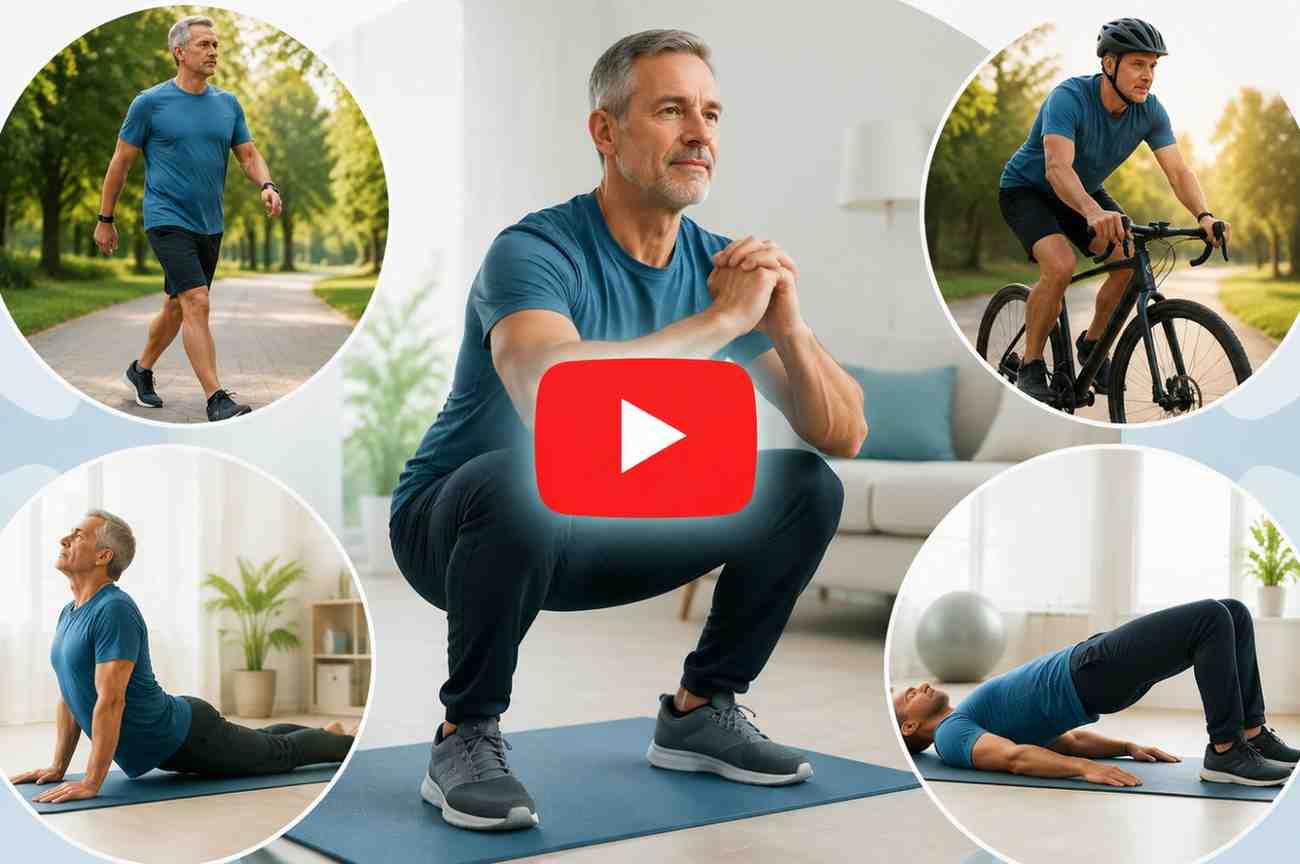
Maintain Regular Physical Activity
Movement supports circulation, muscle health, and overall fitness.
Activities such as:
- Walking
- Strength training
- Swimming
- Cycling at a comfortable level
- Stretching exercises
may support general wellness.
Regular movement also helps maintain a healthy body weight, which is an important part of men’s health.
Choose a Balanced Diet
A nutrient-rich eating pattern supports the body’s natural processes.
A prostate-supportive lifestyle often includes:
- Colorful vegetables
- Fruits
- Lean proteins
- Whole grains
- Healthy fats
- Adequate hydration
Foods rich in antioxidants and essential nutrients may help support overall cellular health.
Stay Hydrated
Proper hydration supports normal urinary function. However, some men prefer adjusting fluid intake timing, especially before bedtime, to support nighttime comfort. The right hydration habits may vary depending on individual needs.
Manage Stress Levels
Stress can influence many areas of health, including sleep quality, energy levels, and daily habits.
Helpful stress-management activities may include:
- Meditation
- Breathing exercises
- Outdoor activities
- Relaxation routines
- Quality sleep habits
A calm nervous system can support better body awareness during exercises.
Common Mistakes When Performing Pelvic Floor Exercises
Although the technique is simple, some common mistakes may reduce effectiveness.
Mistake 1: Using the Wrong Muscles
- Some men accidentally tighten their abdominal muscles, thighs, or buttocks instead of the pelvic floor.
- The movement should remain focused and gentle.
Mistake 2: Holding the Breath
- Breathing normally helps maintain relaxation and control.
- Holding the breath may create unnecessary tension.
Mistake 3: Overdoing the Exercise
- More is not always better.
- Pelvic muscles need both activation and relaxation. Excessive contractions may create discomfort.
Mistake 4: Expecting Immediate Results
- Like other wellness habits, pelvic floor exercises require consistency.
- Changes in muscle awareness and control may take time and vary between individuals.
Who May Benefit From A Simple 30-Sec Technique for Prostate?
This type of routine may be suitable for men who want to:
- Maintain pelvic muscle awareness
- Support bladder control habits
- Add a simple wellness practice
- Improve connection with their body
- Create a consistent daily health routine
It may be especially appealing to men who prefer simple approaches they can perform anywhere.
However, men experiencing concerning symptoms should discuss them with a healthcare professional rather than relying only on lifestyle techniques.
When Should Men Talk With a Healthcare Professional?
While daily wellness habits can support overall health, certain symptoms should receive professional attention.
Men should consider speaking with a healthcare provider if they experience:
- Persistent urinary changes
- Pain in the pelvic region
- Blood in urine or semen
- Difficulty urinating
- Sudden changes in urinary habits
- Symptoms that interfere with daily activities
Regular health conversations can help identify concerns early and provide appropriate guidance.
Building a Daily 30-Second Wellness Habit
The biggest advantage of this technique is simplicity. Creating a habit is often easier when it connects with an existing routine.
Examples include:
- Morning Routine: Practice after brushing your teeth or preparing for the day.
- Evening Routine: Perform the exercise during a quiet moment before sleep.
- Wellness Routine: Combine it with stretching, breathing exercises, or meditation.
The goal is creating consistency rather than perfection.
Final Thoughts
A Simple 30-Sec Technique for Prostate represents an easy approach to supporting pelvic wellness through a quick daily habit. Its biggest advantage is accessibility—it requires little time, no equipment, and can easily fit into a normal routine.
Supporting prostate wellness involves more than one action. A balanced approach that includes regular movement, healthy nutrition, hydration, stress management, and routine medical care can help men take a proactive approach to their overall health.
Pelvic floor exercises have been widely recognized as a useful tool for supporting muscle control and urinary function. When practiced correctly and consistently, a short daily technique may become a valuable addition to a men’s wellness routine.
The key is patience and consistency. Small daily habits can contribute to long-term wellness when combined with healthy lifestyle choices and appropriate healthcare support.
References
https://en.wikipedia.org/wiki/Pelvis
https://en.wikipedia.org/wiki/Prostate
.