Tinnitus affects millions of people worldwide, causing ringing, buzzing, humming, clicking, or other phantom sounds in the ears. As more people search online for fast relief, viral remedies continue to spread across social media. One of the most talked-about trends is the 10-second Vicks trick for tinnitus.
Many videos and blogs claim that applying Vicks VapoRub in a certain way can stop ear ringing almost instantly. While these claims sound appealing, many people wonder whether they are supported by science or simply another internet myth.
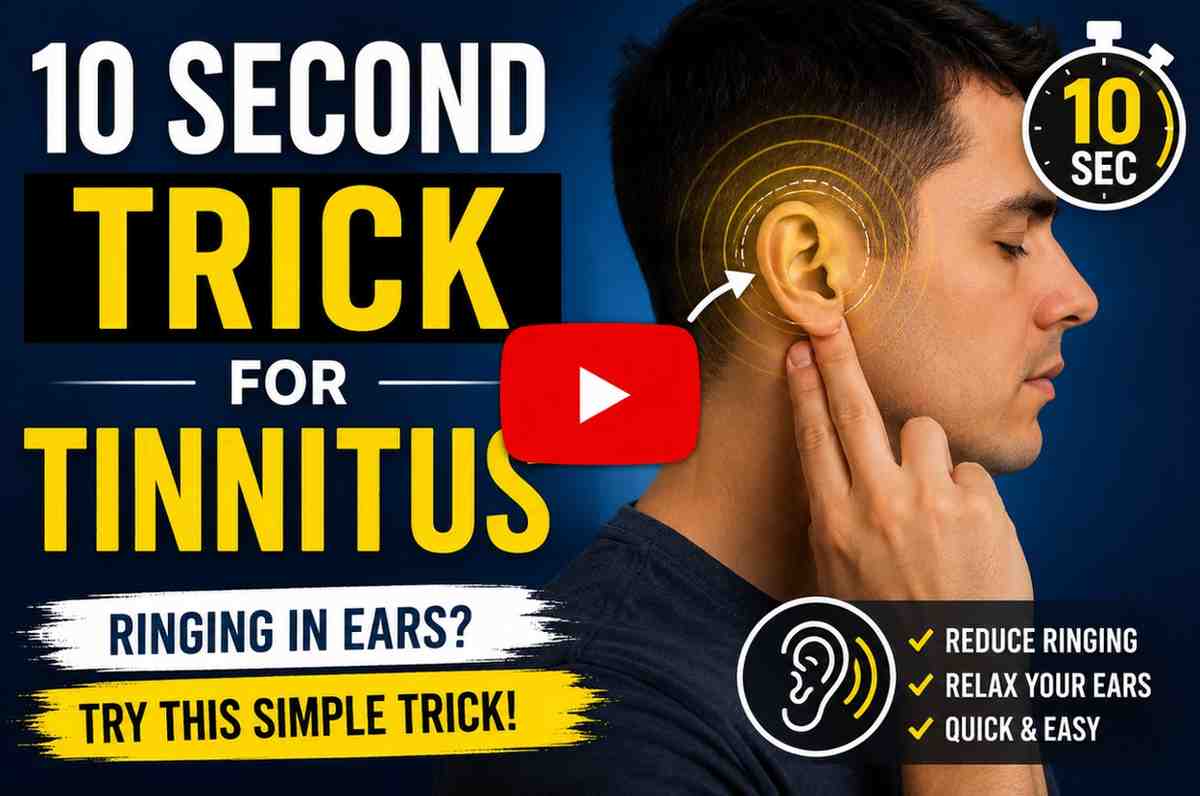

10 Second Vicks Trick for Tinnitus is a viral home remedy, but there is no scientific evidence that Vicks VapoRub can treat or cure tinnitus symptoms.
There is currently no scientific evidence showing that Vicks VapoRub can cure or significantly reduce tinnitus.
That doesn’t mean every person who tries it feels nothing. Some people report temporary sensations such as cooling or relaxation, but these effects do not treat the underlying causes of tinnitus. Understanding the facts helps you make safer health decisions.
In this guide, we’ll explore what the 10-second Vicks trick actually is, why people believe it works, what science says, possible risks, proven tinnitus management strategies, and when it’s time to consult a healthcare professional.
What Is the 10 Second Vicks Trick for Tinnitus?
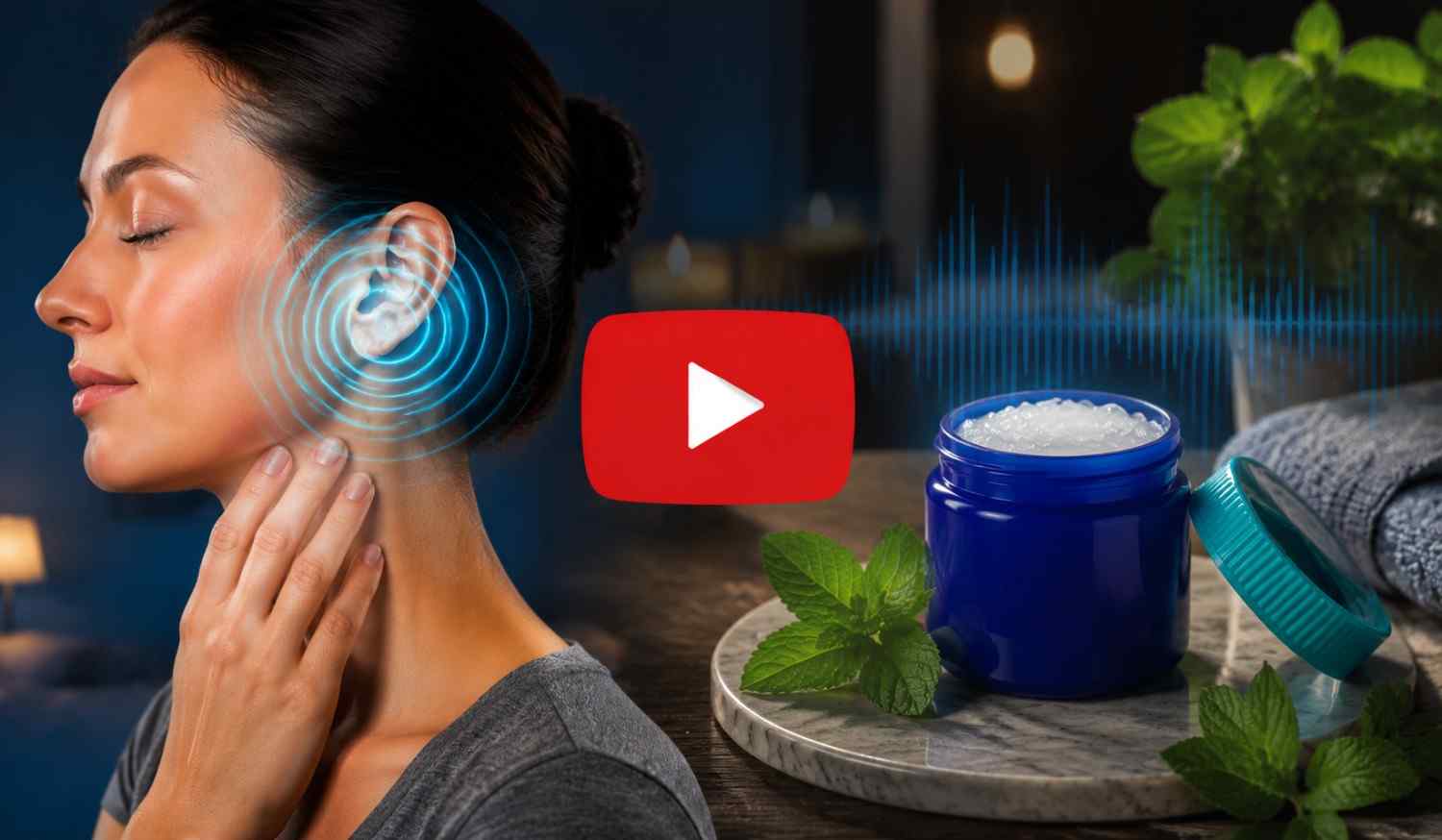
The 10-second Vicks trick for tinnitus is an internet trend suggesting that applying Vicks VapoRub around the ears, behind the ears, or near the jaw can quickly reduce ringing in the ears.
Some online videos recommend:
- Applying Vicks behind both ears
- Massaging near the jawline
- Rubbing around the neck
- Breathing the menthol vapors
- Waiting approximately ten seconds
Supporters claim this cooling sensation somehow “resets” the ear or improves circulation. These claims have not been validated by medical research.
Tinnitus is usually caused by complex interactions involving the hearing system and the brain. A topical ointment cannot correct these underlying mechanisms.
Understanding Tinnitus
Before evaluating any home remedy, it’s important to understand what tinnitus actually is. Tinnitus is not a disease. It is a symptom.
People may hear:
- Ringing
- Buzzing
- Clicking
- Hissing
- Roaring
- Pulsing
- Whistling
These sounds occur without an external source. Tinnitus can affect one ear, both ears, or seem to come from inside the head. For some individuals, symptoms are mild.
For others, tinnitus becomes severe enough to interfere with:
- Sleep
- Concentration
- Productivity
- Mood
- Daily activities
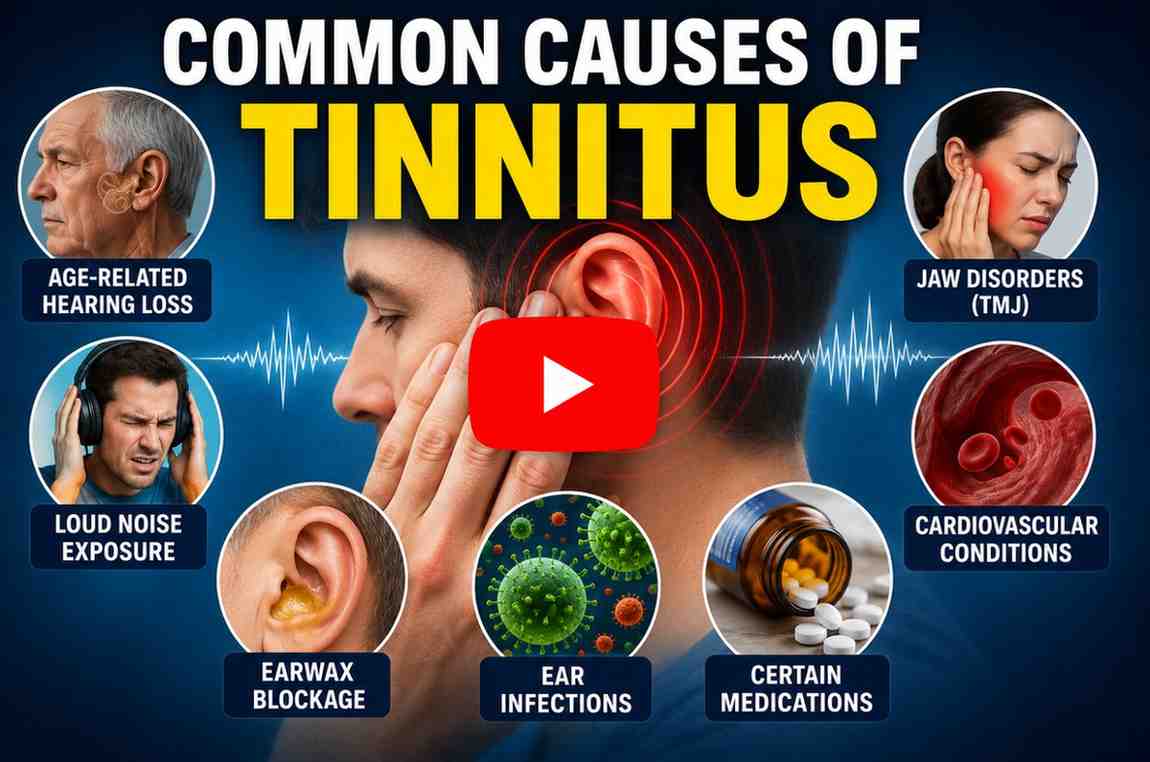
Common Causes of Tinnitus
Many conditions can contribute to tinnitus.
These include:
Age-Related Hearing Loss
As people age, the tiny sensory cells inside the inner ear naturally decline. This is one of the leading causes of tinnitus.
Loud Noise Exposure
Repeated exposure to:
- Concerts
- Firearms
- Construction equipment
- Factory machinery
- Headphones at high volume
Can damage hearing cells. Noise-induced hearing damage is often permanent.
Earwax Blockage
A buildup of earwax may temporarily affect hearing and trigger tinnitus. Professional removal often resolves symptoms.
Ear Infections
Middle ear infections and inflammation sometimes produce temporary ringing. Symptoms usually improve after treatment.
Certain Medications
Some medications may contribute to tinnitus in susceptible individuals, including:
- High-dose aspirin
- Certain antibiotics
- Some chemotherapy drugs
- Loop diuretics
Never stop prescription medications without consulting your healthcare provider.
Jaw Disorders
Problems involving the temporomandibular joint (TMJ) may contribute to ear discomfort and tinnitus.
Cardiovascular Conditions
In rare cases, blood vessel abnormalities can cause pulsatile tinnitus, in which the sound follows the heartbeat. Pulsatile tinnitus always deserves medical evaluation.
Why Has the Vicks Trick Become So Popular?
Several factors explain why the trend continues to spread.
Social Media Influence
Short videos often promise:
- Instant relief
- Easy home remedies
- No medications
- No doctor visits
These messages attract millions of views.
Cooling Sensation
Menthol creates a cooling feeling on the skin. This temporary sensation may distract attention from tinnitus for a brief period.
Placebo Effect
The placebo effect is real. When people strongly expect improvement, they may temporarily perceive symptoms differently. This doesn’t mean the treatment is curing the condition.
Relaxation
Massaging the neck and jaw while applying ointment may help promote relaxation. Since stress often worsens tinnitus, relaxing may reduce symptom awareness.
What Is Inside Vicks VapoRub?
Vicks VapoRub contains several active ingredients, including:
- Menthol
- Camphor
- Eucalyptus oil
These ingredients are designed primarily to provide temporary relief from cough symptoms and create cooling sensations. They are not approved treatments for tinnitus.
Can Menthol Affect Ear Ringing?
There is currently no evidence showing that menthol changes the abnormal nerve activity responsible for tinnitus.
Instead, menthol primarily stimulates temperature-sensitive receptors in the skin.
This creates:
- Cooling sensations
- Temporary comfort
- Altered skin perception
None of these mechanisms directly treat tinnitus.
Does Improved Blood Flow Explain the Claims?
Some social media posts claim Vicks improves circulation around the ears.
Current scientific evidence does not support this explanation.
Most tinnitus cases involve:
- Hearing nerve changes
- Brain processing
- Inner ear damage
Simply increasing skin circulation would not repair these issues.
Can Stress Make Tinnitus Worse?
Yes.
Stress is one of the most common factors associated with worsening tinnitus.
When people experience:
- Anxiety
- Fatigue
- Emotional stress
- Poor sleep
they often notice ringing more intensely. Reducing stress may lessen awareness of tinnitus. This likely explains why relaxing routines sometimes appear helpful.
Is the 10 Second Vicks Trick Safe?
Using Vicks according to label directions on intact skin is generally considered safe for most adults.
However, several precautions are important.
Never:
- Put Vicks inside the ear canal
- Apply it on damaged skin
- Use excessive amounts
- Place it near the eyes
Doing so may cause irritation.
Never insert creams or ointments into the ear canal.
Risks of Trying Viral Home Remedies
While many internet remedies seem harmless, some carry risks.
Potential concerns include:
- Skin irritation
- Allergic reactions
- Delayed medical diagnosis
- False expectations
- Ignoring underlying hearing disorders
If tinnitus develops suddenly or worsens rapidly, professional evaluation is essential.
Evidence-Based Ways to Manage Tinnitus
Although no universal cure exists, many evidence-based strategies help people manage symptoms effectively.
Hearing Evaluation
A hearing test helps identify:
- Hearing loss
- Ear disease
- Other underlying problems
Early diagnosis improves treatment planning.
Hearing Aids
For individuals with hearing loss, hearing aids often reduce tinnitus awareness by improving perception of external sounds. Many modern devices include tinnitus masking features.
Sound Therapy
Soft background sounds may reduce awareness of ringing.
Examples include:
- Rain sounds
- White noise
- Ocean waves
- Nature recordings
- Fans
Sound therapy helps many people sleep better.
Cognitive Behavioral Therapy (CBT)
CBT does not eliminate tinnitus. Instead, it helps reduce emotional distress associated with persistent symptoms. Research consistently supports CBT for improving quality of life.
Stress Management
Reducing stress can make tinnitus easier to tolerate.
Helpful activities include:
- Meditation
- Gentle exercise
- Yoga
- Deep breathing
- Progressive muscle relaxation
Better Sleep Habits
Poor sleep often increases tinnitus awareness.
Healthy habits include:
- Consistent bedtime
- Limiting caffeine late in the day
- Reducing screen time before bed
- Maintaining a quiet sleep environment
Protect Your Hearing
Avoid excessive noise exposure.
Wear hearing protection during:
- Concerts
- Power tool use
- Hunting
- Construction work
Preventing additional hearing damage is essential.
Lifestyle Habits That May Support Ear Health
While lifestyle changes cannot cure tinnitus, they may improve overall well-being.
Consider:
- Staying physically active
- Maintaining cardiovascular health
- Eating a balanced diet
- Staying hydrated
- Managing blood pressure
- Avoiding smoking
- Limiting excessive alcohol intake
Healthy habits support overall hearing wellness.
Myths About Tinnitus
Myth 1: Vicks cures tinnitus.
False. There is no scientific evidence supporting this claim.
Myth 2: Ear ringing always means hearing loss.
Not always. Many different conditions can contribute.
Myth 3: Tinnitus always becomes worse.
False. Many people experience stable or improving symptoms over time.
Myth 4: Nothing can help tinnitus.
False. Although there may not be a cure, multiple evidence-based treatments improve quality of life.
When Should You See a Doctor?
Seek medical evaluation if tinnitus:
- Appears suddenly
- Occurs after head injury
- Affects only one ear
- Pulses with your heartbeat
- Causes severe dizziness
- Is accompanied by hearing loss
- Interferes with daily life
Early evaluation can identify treatable causes.
Final Thoughts
The 10-second Vicks trick for tinnitus continues to circulate widely online because it promises an easy, inexpensive solution to a frustrating condition. However, current scientific evidence does not support claims that Vicks VapoRub can treat or cure tinnitus.
Temporary cooling sensations are not the same as treating the underlying cause.
If your tinnitus is persistent, worsening, or affecting your quality of life, consult a qualified healthcare professional for a thorough evaluation.
Evidence-based approaches such as hearing assessments, sound therapy, stress management, hearing protection, and cognitive behavioral therapy have far stronger scientific support than viral internet remedies.
Always prioritize treatments backed by credible medical research.
By understanding the facts and avoiding unsupported claims, you can make informed decisions and focus on strategies that genuinely support long-term ear health and overall well-being.
References
.