The blueberry trick for memory has become a popular wellness topic because many people are looking for simple lifestyle habits that may support focus, learning, and overall brain health.
This approach is based on the idea of adding blueberries regularly to a balanced diet as part of a healthy routine that supports cognitive wellness.
Blueberries are small fruits packed with naturally occurring plant compounds, including polyphenols and flavonoids, which have been studied for their possible relationship with brain function.
Research has explored how blueberry consumption may influence brain regions associated with memory, attention, and cognitive performance, especially as people age.
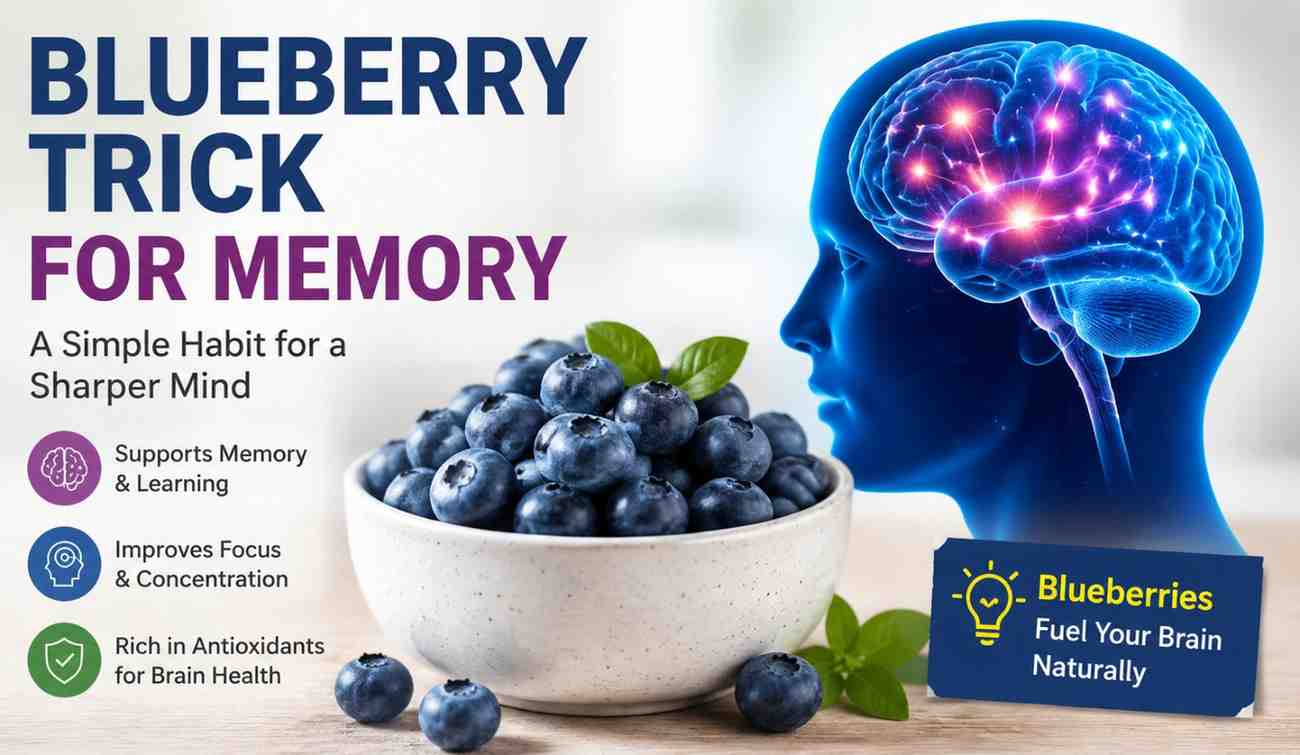

The blueberry trick for memory focuses on adding blueberries to a healthy lifestyle to support brain wellness, focus, and cognitive function.
It represents a simple nutritional habit that may complement other brain-supporting choices such as regular movement, quality sleep, stress management, and a nutrient-rich eating pattern.
Many people are interested in this approach because it is easy to include blueberries in daily meals.
A handful added to breakfast, blended into a smoothie, or enjoyed as a snack can be a convenient way to increase fruit intake while supporting overall wellness.
This article explains what the blueberry trick for memory means, why blueberries are studied for brain health, how they may support cognitive function, how to include them in daily routines, and what realistic expectations people should have.
What Is the Blueberry Trick for Memory?
The blueberry trick for memory is the simple practice of incorporating blueberries into a daily wellness routine of support brain health and cognitive performance.
The idea is that regularly consuming nutrient-rich foods may help provide the body with compounds involved in maintaining healthy cellular function.
Blueberries contain plant-based compounds that have attracted scientific interest because of their antioxidant properties and potential role in supporting normal brain processes.
Research reviews have examined blueberry interventions and reported possible improvements in certain areas of cognitive performance, including some memory-related measures.
The trick itself is not about a special preparation method. It is mainly about making blueberries a regular part of a balanced lifestyle.
Common ways people use this habit include:
- Adding fresh blueberries to breakfast meals
- Mixing blueberries into yogurt or oatmeal
- Creating a fruit smoothie
- Using frozen blueberries as a convenient option
- Including berries as a healthy snack
The goal is not to rely on a single food but to build a routine that supports overall wellness.
Consistency matters more than quick results.
Why Are Blueberries Associated With Memory Support?
Blueberries have gained attention in brain health discussions because they contain naturally occurring compounds called flavonoids.
These plant compounds are being researched for their relationship with inflammation, oxidative stress, and cognitive health.
The brain requires a continuous supply of energy and protection from everyday cellular stress. Over time, factors such as aging, lifestyle habits, and environmental influences may affect cognitive performance.
Research suggests that diets rich in plant foods, including berries, may be associated with better cognitive outcomes.
Blueberry studies have explored potential effects on memory, executive function, and other aspects of cognition.
Blueberries are especially interesting because they contain anthocyanins, compounds responsible for their deep blue color.
Scientists have investigated these compounds because they may interact with biological pathways involved in brain health.
Some research involving older adults has examined blueberry consumption and changes in memory-related performance.
How Does the Blueberry Trick for Memory Work?

The blueberry trick for memory works by providing the body with nutrients and plant compounds that support normal biological functions related to wellness.
When blueberries are consumed, their natural compounds are processed by the body and may contribute to several supportive mechanisms.
Supporting Antioxidant Defense
The brain uses a significant amount of energy, which naturally creates metabolic activity. During these processes, the body produces molecules that must be balanced by normal protective systems.
Blueberries contain compounds that have antioxidant activity. These compounds may help support the body’s ability to manage oxidative stress.
A balanced antioxidant system is important because excessive oxidative stress can affect cells throughout the body, including brain cells.
Supporting Healthy Brain Communication
Memory depends on communication between brain cells. These connections allow information to be processed, stored, and recalled.
Certain plant compounds found in berries have been studied for their potential influence on brain signaling pathways.
Research on blueberry supplementation has examined changes in cognitive performance and brain activity patterns, although more studies are needed to fully understand the relationship.
Supporting Healthy Blood Flow
Healthy circulation plays an important role in delivering oxygen and nutrients throughout the body, including the brain.
Some research has explored how flavonoid-rich foods may influence vascular function, potentially indirectly supporting brain wellness.
A healthy lifestyle that includes nutrient-rich foods, physical activity, and proper hydration can help maintain circulation.
When Does the Blueberry Trick Start Working?
One of the most common questions about the blueberry trick for memory is how quickly someone may notice changes.
The answer depends on many factors, including diet quality, lifestyle habits, age, and individual health differences.
Some people may feel improvements in overall energy or wellness from making healthier food choices, while cognitive changes usually require consistent habits over time.
Research studies often examine blueberry intake over several weeks or months rather than expecting immediate effects. Some clinical studies have evaluated blueberry consumption periods ranging from weeks to months in studies of cognitive outcomes.
A realistic approach is to view blueberries as part of a long-term brain-supporting lifestyle rather than a quick memory solution.
Healthy habits work through consistency.
Best Ways to Add Blueberries to Your Daily Routine
Adding blueberries to your meals does not need to be complicated. Small changes can make the habit easier to maintain.
Morning Blueberry Breakfast
Breakfast is one of the easiest times to include blueberries.
You can add them to:
- Oatmeal
- Greek yogurt
- Whole-grain cereal
- Smoothies
- Homemade breakfast bowls
Combining blueberries with protein and fiber can create a balanced meal that supports steady energy throughout the morning.
Blueberry Smoothie Routine
A blueberry smoothie is another popular option.
A simple smoothie may include:
- Blueberries
- Yogurt or another protein source
- Leafy greens
- Nuts or seeds
- Water or milk alternatives
Smoothies can be convenient for people with busy schedules who still want to include nutrient-rich foods.
Frozen Blueberries
Frozen blueberries can be an excellent choice because they are convenient and available year-round.
They can be added directly to:
- Smoothies
- Overnight oats
- Healthy desserts
- Snacks
The important factor is maintaining a consistent routine.
Benefits
The blueberry trick for memory is gaining attention because blueberries contain nutrients and plant compounds that may support different aspects of overall brain wellness.
1. Supports Healthy Memory Function
Memory depends on many factors, including brain cell communication, nutrition, sleep quality, and daily habits. Blueberries contain naturally occurring compounds that have been studied for their potential relationship to cognitive health.
Some research suggests that diets rich in flavonoid-rich foods may be associated with improved memory performance. Regular consumption of blueberries may complement other healthy behaviors that support normal cognitive function.
A balanced diet can be an important part of maintaining brain wellness.
2. Helps Support Focus and Mental Performance
Focus requires proper energy availability and overall brain health. Nutrient-rich foods can help support the body’s normal processes that contribute to concentration and mental performance.
Blueberries provide vitamins, minerals, fiber, and plant compounds that contribute to a healthy eating pattern. Including them as part of daily meals may help create a stronger nutritional foundation for mental wellness.
Many people choose blueberries as a simple snack option because they are easy to prepare and naturally fit into many different meal plans.
3. Provides Plant-Based Nutritional Support
Blueberries contain naturally occurring compounds that contribute to their color and nutritional profile. These compounds are part of what makes colorful fruits valuable additions to a wellness-focused diet.
Eating a variety of colorful fruits and vegetables helps increase exposure to a wider range of plant nutrients.
A diet that includes blueberries, leafy greens, nuts, seeds, whole grains, and other nutrient-rich foods may provide broader support for overall health.
4. Supports Healthy Aging Habits
As people age, maintaining brain wellness becomes an important part of healthy living. Lifestyle choices such as staying active, eating balanced meals, maintaining social connections, and getting quality sleep can all contribute to cognitive wellness.
Blueberries may fit into an aging-friendly diet because they are easy to include and provide important nutritional value.
Research continues to explore how berry consumption may relate to cognitive performance during aging. While more research is needed, blueberries remain a popular choice among people interested in supporting long-term wellness.
The Science Behind Blueberries and Brain Health
Scientists have studied blueberries because of their unique nutritional composition. Their naturally occurring flavonoids, particularly anthocyanins, have been investigated for potential links to brain function.
The brain is a highly active organ that depends on communication between billions of cells. Healthy brain function involves multiple systems working together, including energy metabolism, circulation, and cellular protection.
Studies involving berries have explored several possible pathways:
Supporting Cellular Protection
Blueberries contain compounds that may help support the body’s natural defense systems against oxidative stress.
Oxidative stress occurs when there is an imbalance between unstable molecules and the body’s ability to manage them. Maintaining balance is part of normal cellular health.
Supporting Normal Brain Signaling
Memory formation depends on communication between neurons. Scientists have explored whether flavonoid-rich foods may influence pathways involved in normal brain signaling.
Some research has shown promising connections between berry intake and certain measures of cognitive performance, although individual results may vary.
Supporting Overall Nutrition Quality
One of the biggest benefits of adding blueberries may be that they encourage healthier eating patterns.
People who include blueberries regularly may also consume more fruits, vegetables, fiber, and other nutrient-rich foods.
A complete dietary pattern is more important than relying on one individual food.
Common Mistakes When Trying the Blueberry Trick for Memory
Although blueberries can be a healthy addition to a diet, some common mistakes may prevent people from getting the most benefit from this habit.

Mistake 1: Expecting Immediate Memory Changes
One of the biggest misconceptions is expecting blueberries to create instant improvements in memory.
Nutrition works gradually. Foods support the body through regular consumption and healthy lifestyle choices.
A single serving of blueberries is not expected to dramatically change cognitive ability overnight.
Mistake 2: Ignoring Other Healthy Habits
Blueberries can support a healthy diet, but they work best alongside other wellness habits.
Important brain-supporting habits include:
- Regular physical activity
- Adequate sleep
- Stress management
- Learning new skills
- Staying socially connected
- Drinking enough water
A complete lifestyle approach provides stronger support than focusing on a single habit.
Mistake 3: Adding Too Much Sugar
Some blueberry products contain added sugars, including certain flavored snacks, desserts, and sweetened drinks.
Choosing fresh or plain frozen blueberries is often a better option for people focusing on overall nutrition.
Reading food labels can help identify products that better match personal health goals.
Mistake 4: Being Inconsistent
Many wellness habits only become meaningful when practiced regularly.
Eating blueberries once occasionally may not provide the same dietary pattern as including them consistently.
Creating simple routines makes healthy habits easier to maintain.
Blueberry Trick for Memory vs Other Brain Health Foods
Blueberries are one of many foods associated with brain wellness. A balanced approach includes a variety of nutrient-rich options.
Blueberries
Blueberries provide flavonoids, fiber, vitamins, and plant compounds.
Fatty Fish
Fish containing healthy fats are often discussed in brain health nutrition because certain fats play important roles in normal brain structure and function.
Nuts and Seeds
Nuts and seeds provide nutrients that contribute to a balanced eating pattern.
Leafy Green Vegetables
Vegetables such as spinach and kale contain important vitamins and minerals associated with overall wellness.
Whole Grains
Whole grains provide long-lasting energy through complex carbohydrates and fiber.
The best approach is not to choose only one “memory food” but to create a diverse eating pattern.
How to Create a Daily Blueberry Memory Routine?
A simple routine can make it easier to include blueberries consistently.
Morning Routine
Start the day with blueberries added to:
- Oatmeal
- Yogurt
- Smoothies
- Breakfast bowls
This creates an easy opportunity to include fruit early in the day.
Afternoon Snack
Blueberries can be used as a convenient snack between meals.
Pairing them with protein-rich foods can help create a more balanced snack.
Examples include:
- Blueberries with nuts
- Blueberries with plain yogurt
- Blueberry smoothie
Evening Routine
Blueberries can also be included in evening meals or desserts.
Using fruit-based options can be a simple way to increase nutrient intake while enjoying something naturally sweet.
Lifestyle Habits That Support Memory Along With Blueberries
The blueberry trick for memory works best when combined with other healthy lifestyle choices.
Regular Exercise
Physical activity supports circulation, energy levels, and overall wellness.
Walking, strength training, swimming, and other forms of exercise can contribute to a healthy lifestyle.
Quality Sleep
Sleep plays an important role in memory processing.
During sleep, the brain performs important maintenance activities related to learning and information storage.
Creating a consistent sleep schedule may support better daily cognitive performance.
Mental Stimulation
Keeping the brain active through learning and challenges may support cognitive wellness.
Helpful activities include:
- Reading
- Learning new skills
- Puzzles
- Creative hobbies
- Educational activities
Stress Management
Long-term stress can affect overall wellness.
Relaxation practices such as meditation, breathing exercises, spending time outdoors, and hobbies may support a healthier daily routine.
Who May Benefit From Adding Blueberries to Their Diet?
Many people can enjoy blueberries as part of a balanced diet.
They may be especially appealing for individuals who want to:
- Increase fruit intake
- Add more plant-based foods
- Support healthy aging habits
- Create better nutrition routines
- Enjoy convenient healthy snacks
However, individual dietary needs vary. People with specific health concerns or dietary restrictions should consider their personal situation when making food choices.
Realistic Expectations From the Blueberry Trick for Memory
The blueberry trick for memory should be viewed as a supportive wellness habit rather than a guaranteed solution for memory.
A realistic expectation is that blueberries may contribute valuable nutrients as part of a healthy eating pattern.
The strongest results come from combining nutrition with:
- Movement
- Restful sleep
- Brain stimulation
- Stress management
- Regular health care
Conclusion
The blueberry trick for memory is a simple nutrition habit centered on incorporating blueberries into a balanced lifestyle.
While blueberries are not a quick fix for memory concerns, they provide valuable nutrients and plant compounds that have been studied for their potential role in brain health.
Including blueberries regularly through smoothies, breakfasts, snacks, or meals can be an easy way to improve overall diet quality. However, the strongest approach to supporting memory involves combining healthy eating with exercise, good sleep, mental activity, and stress management.
For people looking for a simple food-based wellness habit, blueberries can be a practical and enjoyable addition to a brain-supportive lifestyle.
.
.
References
Mayo Clinic – Healthy eating and brain health information
https://www.mayoclinic.org
National Institutes of Health – Nutrition and cognitive health research
https://www.nih.gov
PubMed – Blueberry consumption and cognitive function studies
https://pubmed.ncbi.nlm.nih.gov