Neuropathy affects millions of people worldwide and is commonly associated with symptoms such as tingling, numbness, burning sensations, sensitivity, and discomfort in the hands and feet.
While traditional approaches often focus on managing symptoms, many people are exploring supportive wellness options that may help maintain nerve function and improve overall comfort.
One emerging approach gaining attention is red light therapy for neuropathy. This non-invasive wellness technology uses specific wavelengths of light to interact with cells and support biological processes related to circulation, energy production, and tissue repair.
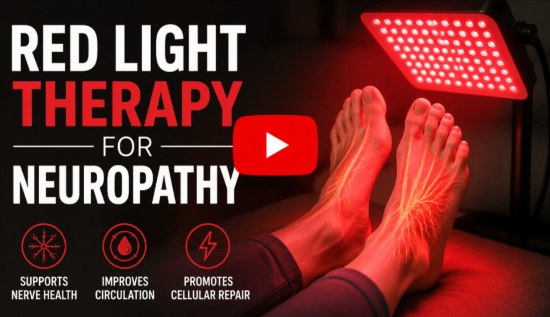

Red light therapy for neuropathy may support nerve comfort, circulation, and cellular recovery by using targeted light wavelengths to promote natural healing processes.
Red light therapy, also known as photobiomodulation, has been studied for its potential role in supporting cellular activity. Researchers have investigated how red and near-infrared light may influence mitochondria, the energy-producing structures inside cells, and encourage healthier cellular responses.
Red light therapy does not replace medical treatment, but it may serve as a supportive option for people looking to promote nerve wellness.
This article explains how red light therapy works, why it is being researched for neuropathy support, potential benefits, what scientific studies suggest, and important considerations before adding it to a wellness routine.
What Is Red Light Therapy?
Red light therapy is a wellness technology that uses low levels of red and near-infrared light to stimulate biological activity within the body. Unlike ultraviolet light, which can damage skin cells, red light wavelengths are designed to work gently with tissues.
The therapy typically uses LED devices that produce specific wavelengths, commonly ranging from approximately 600 to 1000 nanometers. Red light generally affects more surface-level tissues, while near-infrared wavelengths can penetrate deeper into tissues.
During a session, the skin is exposed to light energy from an LED panel, handheld device, or specialized therapeutic equipment. The light does not generate heat like traditional heating methods and is usually painless.
Red light therapy works by supporting the body’s natural cellular processes rather than forcing an artificial response.
The concept behind photobiomodulation is that certain wavelengths of light may be absorbed by cellular structures, especially mitochondria. This interaction may influence cellular energy production and help support normal tissue function.
Because nerves require significant energy to maintain communication signals, researchers have explored whether improving cellular support may also benefit nerve-related wellness.
Understanding Neuropathy
Neuropathy refers to damage or dysfunction involving peripheral nerves. These nerves connect the brain and spinal cord to the rest of the body, including the arms, hands, legs, and feet.
When nerves do not function properly, communication between the body and nervous system may become disrupted. This can lead to uncomfortable sensations or changes in feeling.
Common neuropathy symptoms may include:
- Tingling or “pins and needles” sensations
- Burning feelings in hands or feet
- Numbness or reduced sensitivity
- Increased sensitivity to touch
- Muscle weakness
- Balance challenges
- Discomfort that may worsen at night
Several factors may contribute to nerve problems, including metabolic issues, certain medications, injuries, nutritional deficiencies, aging, and other health conditions.
One of the challenges with neuropathy is that nerves can be slow to recover because they have complex structures and require consistent support.
Supporting healthy circulation and cellular function is an important part of maintaining overall nerve wellness.
This is why researchers continue investigating supportive approaches such as red light therapy.
How Does Red Light Therapy Work for Neuropathy Support?
The potential relationship between red light therapy and neuropathy centers around photobiomodulation. This process involves using light energy to encourage cellular activity.
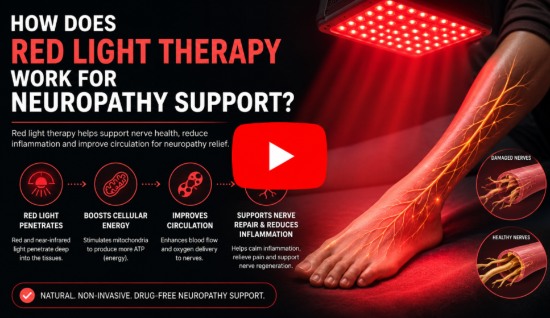
When red or near-infrared light reaches tissues, it may interact with components inside cells called mitochondria. Mitochondria are responsible for producing adenosine triphosphate (ATP), which serves as the main energy source for cellular functions.
Healthy energy production is important because nerve cells require substantial energy to transmit signals effectively.
Researchers believe red light therapy may support nerve health through several possible mechanisms:
Supporting Cellular Energy Production
Nerve cells depend on efficient energy production to maintain communication pathways. By interacting with mitochondria, red light exposure may encourage improved cellular energy availability.
Higher cellular energy levels may help tissues perform normal repair and maintenance activities.
Healthy cells require energy to function, repair, and communicate.
Promoting Healthy Blood Flow
Circulation plays an important role in delivering oxygen and nutrients throughout the body. Reduced circulation can affect tissue health and may influence how nerves receive essential resources.
Red light therapy has been studied for its ability to support vascular responses and encourage healthy blood flow in targeted areas.
Improved circulation may help create a healthier environment for tissues surrounding nerves.
Supporting a Balanced Inflammatory Response
Inflammation is a natural process involved in the body’s response to stress or injury. However, long-term inflammatory stress may negatively affect tissues.
Some research suggests photobiomodulation may influence inflammatory pathways and support a more balanced cellular environment.
This does not mean red light therapy eliminates inflammation, but it may help support normal biological responses.
Supporting Nerve Cell Function
Peripheral nerves are complex structures that require proper communication between nerve cells and surrounding tissues.
Early research has explored whether photobiomodulation may encourage nerve-related recovery processes by supporting cellular activity and tissue conditions.
While more research is needed, these findings have increased interest in red light therapy as a complementary wellness approach.
Potential Benefits of Red Light Therapy for Neuropathy
People interested in red light therapy for neuropathy often explore it because of its potential ability to support comfort, mobility, and overall nerve wellness.
Although individual experiences may vary, possible supportive benefits include:
May Support Nerve Comfort
Many people with neuropathy experience sensations such as discomfort, tingling, or sensitivity. Red light therapy is being researched for its potential role in supporting healthier nerve environments.
By supporting cellular function and circulation, it may help promote greater comfort for some individuals.
May Support Circulation in Affected Areas
Healthy circulation helps deliver oxygen and nutrients required for tissue maintenance.
Red light therapy may encourage blood flow responses that support overall tissue wellness, especially in areas where circulation is important.
May Support Tissue Recovery
The body constantly works to maintain and repair tissues. Cellular energy plays an important role in these processes.
By supporting mitochondrial activity, red light therapy may help maintain normal tissue recovery functions.
May Promote Relaxation and Comfort
Many wellness users report that light therapy sessions feel calming and relaxing.
A consistent routine may support overall comfort and quality of life when combined with healthy lifestyle habits.
Scientific Research on Red Light Therapy for Neuropathy
Interest in red light therapy for neuropathy has increased because researchers are exploring how photobiomodulation may influence nerve function, cellular energy, circulation, and tissue responses.
While research is still developing, several studies have examined how red and near-infrared light may affect nerve-related conditions. Most research suggests that light therapy may work by supporting the body’s natural biological processes rather than directly acting as a medication.
One area of interest is mitochondrial function. Nerve cells require large amounts of energy to maintain communication signals throughout the body. When cellular energy production is reduced, nerve tissues may become more vulnerable to stress.
Red and near-infrared wavelengths may interact with mitochondrial structures and influence cellular energy production. This process may help support normal nerve cell activity and tissue maintenance.
Healthy nerve function depends on strong cellular support and consistent energy production.
Researchers have also examined the relationship between photobiomodulation and nerve regeneration. Some laboratory and animal studies suggest that specific light wavelengths may encourage nerve repair processes after injury.
These findings have created interest in whether similar mechanisms could support people experiencing peripheral nerve challenges. However, more large-scale human clinical studies are needed to determine the full effectiveness of red light therapy for different types of neuropathy.
Red Light Therapy for Different Types of Neuropathy
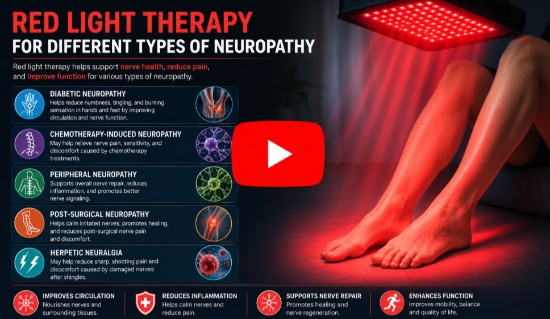
Neuropathy can develop from different causes, and the potential usefulness of red light therapy may depend on the underlying condition.
Diabetic Neuropathy
Diabetic neuropathy is one of the most common forms of peripheral nerve problems. It occurs when prolonged blood sugar imbalance contributes to nerve stress and damage.
People with diabetic neuropathy often experience symptoms in the feet and lower legs, including numbness, tingling, and discomfort.
Researchers are investigating whether red light therapy may support diabetic nerve wellness by:
- Encouraging healthy circulation
- Supporting cellular energy production
- Promoting tissue wellness
- Helping maintain a balanced inflammatory response
Maintaining healthy circulation is especially important for nerve-supporting tissues.
Red light therapy may be considered as a complementary wellness approach alongside proper medical care, healthy nutrition, physical activity, and blood sugar management.
Chemotherapy-Related Neuropathy
Some cancer treatments may affect peripheral nerves, leading to symptoms such as numbness, tingling, or sensitivity.
Because nerve recovery can take time, researchers have explored supportive therapies that may help maintain nerve comfort during recovery.
Photobiomodulation has been studied in several areas of oncology supportive care because of its effects on tissue responses and cellular activity.
However, individuals undergoing cancer treatment should always discuss new therapies with their healthcare provider before use.
Age-Related Nerve Changes
As people age, natural changes in circulation, cellular energy production, and tissue repair may affect nerve health.
Red light therapy has gained popularity among older adults because it is non-invasive and supports normal biological processes.
A wellness routine that includes movement, balanced nutrition, proper sleep, and supportive therapies may contribute to healthier aging.
How to Use Red Light Therapy for Neuropathy
The effectiveness of red light therapy may depend on several factors, including wavelength, device quality, treatment area, and consistency.
There is no universal protocol that works for everyone, but many wellness devices provide general usage recommendations.
Typical considerations include:
Choose the Correct Wavelength
Different wavelengths may penetrate tissues at different depths.
Red light commonly uses wavelengths around 600–700 nanometers, while near-infrared light often uses wavelengths around 800–900+ nanometers for deeper tissue exposure.
For neuropathy support, many devices combine red and near-infrared wavelengths.
Apply Light to Target Areas
The device is usually positioned near areas where support is desired, such as:
- Feet
- Hands
- Lower legs
- Areas experiencing nerve-related discomfort
Treatment distance depends on the device instructions.
Maintain a Consistent Routine
Red light therapy generally requires repeated sessions over time.
Many users follow schedules ranging from several sessions per week to daily use, depending on the device recommendations.
Long-term consistency is usually more important than occasional use.
Factors That May Influence Results
Individual responses to red light therapy can vary. Several factors may influence outcomes:
Severity of Neuropathy
People with mild symptoms may experience different results than those with long-term or advanced nerve problems.
The underlying cause of neuropathy also plays an important role.
Device Quality
Not all red light devices are identical. Important factors may include:
- Wavelength accuracy
- Light intensity
- Treatment area coverage
- Manufacturer quality standards
Choosing a properly designed device can help ensure consistent exposure.
Lifestyle Habits
Red light therapy works best when combined with healthy daily habits.
Supportive lifestyle choices may include:
- Regular physical activity
- Balanced nutrition
- Adequate hydration
- Quality sleep
- Managing underlying health conditions
A healthy lifestyle creates the foundation for better overall wellness.
Is Red Light Therapy Safe?
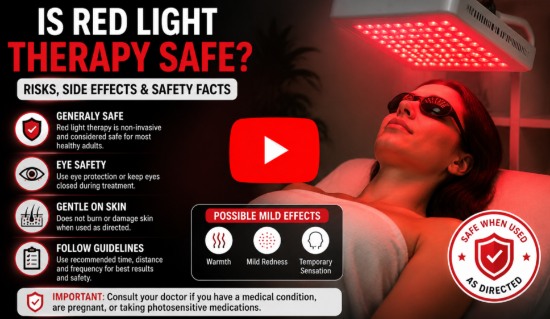
Red light therapy is generally considered a gentle, non-invasive wellness approach when used according to manufacturer instructions.
Unlike ultraviolet light, red and near-infrared wavelengths do not damage skin in the same way. Most people tolerate sessions well.
Some individuals may experience minor effects such as:
- Temporary warmth
- Mild redness
- Temporary sensitivity
However, people with certain medical conditions or those using light-sensitive medications should consult a healthcare professional before beginning therapy.
Individuals should also avoid using red light therapy as a replacement for prescribed treatments.
Supportive therapies should complement medical guidance, not replace it.
Who May Consider Red Light Therapy for Neuropathy Support?
Red light therapy may be considered by adults interested in supporting nerve wellness, especially those experiencing:
- Occasional tingling sensations
- Mild nerve discomfort
- Reduced circulation concerns
- Age-related wellness challenges
- Recovery support after nerve stress
It may also appeal to people looking for non-invasive wellness options.
However, neuropathy can have many different causes, and identifying the underlying reason is important.
Anyone experiencing new, worsening, or severe symptoms should seek medical advice.
Tips for Choosing a Red Light Therapy Device
With increasing popularity, many red light therapy products are available. Before choosing a device, consider:
Wavelength Range
Look for devices that clearly list their wavelength output. Many wellness users choose devices that include both red and near-infrared wavelengths.
Coverage Area
Larger panels may treat broader areas, while smaller devices may be useful for targeted areas like hands or feet.
Quality and Safety Information
Consider products that provide:
- Clear usage instructions
- Manufacturing details
- Safety information
- Transparent specifications
Ease of Use
A device should fit comfortably into your routine.
A simpler device that you use consistently may be more beneficial than an advanced option that is difficult to maintain.
Red Light Therapy vs Other Neuropathy Support Options
Neuropathy management often involves multiple approaches depending on the cause and individual needs.
Common supportive strategies may include:
Exercise and Movement
Regular movement can support circulation, flexibility, and overall physical wellness.
Activities such as walking, stretching, and strength exercises may help maintain mobility.
Nutrition Support
A balanced diet provides essential nutrients that support normal nerve function.
Important nutrients involved in nervous system health include vitamins, minerals, healthy fats, and antioxidants.
Medical Support
Healthcare providers may recommend different approaches depending on the underlying cause of neuropathy.
Managing conditions such as diabetes or nutritional deficiencies may be an important part of protecting nerve health.
Final Thoughts
Red light therapy for neuropathy has become a popular area of research because of its potential ability to support cellular energy, circulation, and overall nerve wellness.
Although current research is promising, red light therapy should be viewed as a supportive wellness tool rather than a guaranteed solution for neuropathy.
Results may vary depending on the cause of nerve issues, the severity of symptoms, device quality, and consistency of use.
For individuals interested in non-invasive wellness approaches, red light therapy may offer a gentle way to support the body’s natural processes.
Supporting nerve health requires a complete approach that includes healthy habits, proper care, and informed choices.
Before starting any new therapy, especially if you have an existing health condition, it is always recommended to speak with a qualified healthcare professional.
References
.