Vision plays a vital role in everyday life, allowing us to read, work, recognize faces, navigate surroundings, and enjoy the world around us.
As people spend more time exposed to digital screens, artificial lighting, and environmental stressors, maintaining long-term eye wellness has become an important part of overall health.
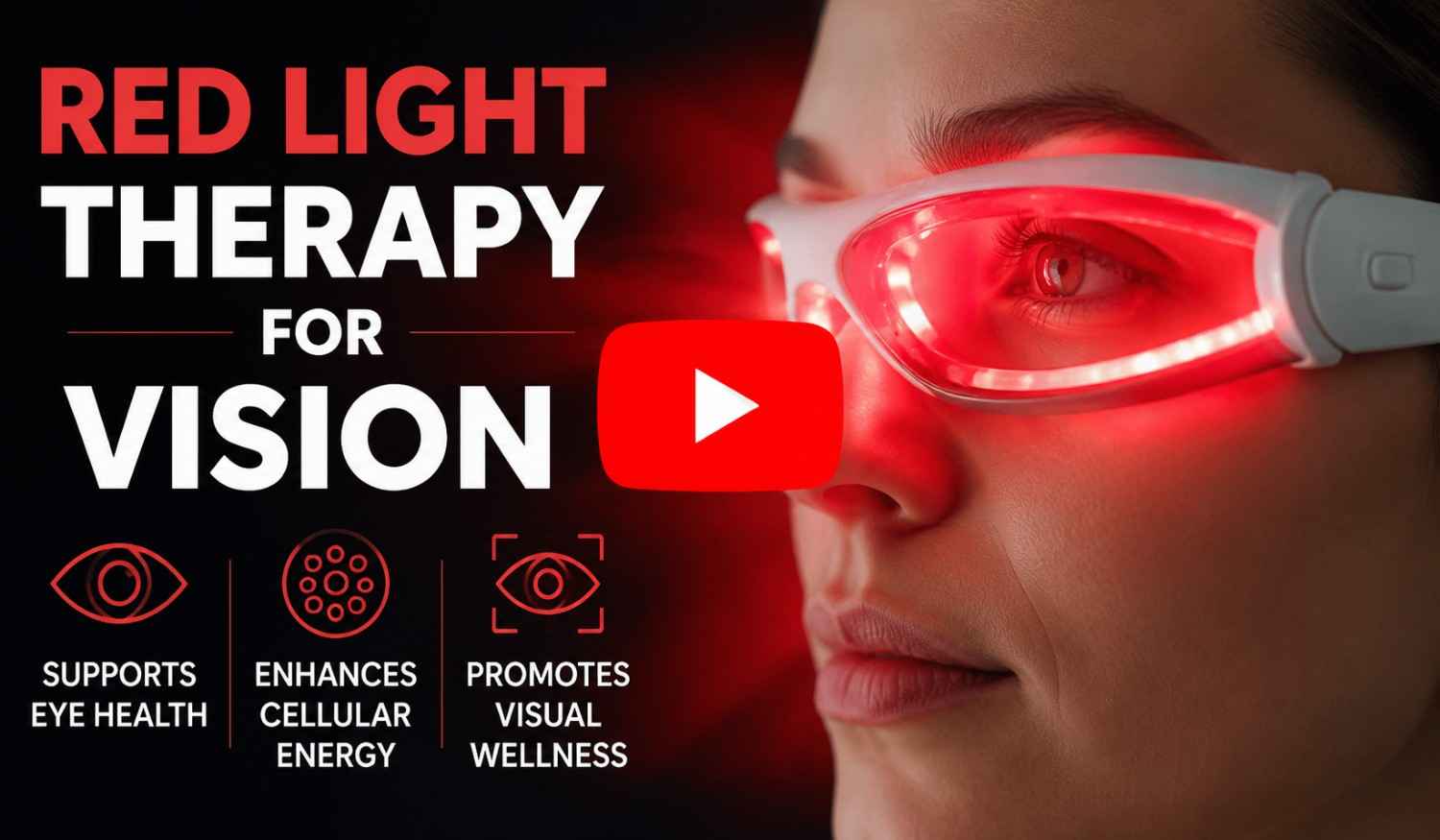

Red Light Therapy for Vision may support eye wellness by using specific light wavelengths that help maintain healthy retinal function and visual comfort.
In recent years, red light therapy for vision has gained attention as a promising light-based wellness approach designed to support healthy eye function.
Introduction
This innovative technique uses specific wavelengths of red and near-infrared light to interact with cells and encourage natural biological processes associated with cellular energy, repair, and balance.
Healthy vision depends on supporting the delicate structures of the eyes, including the retina, optic nerve, and surrounding tissues.
Research into photobiomodulation, the scientific term commonly associated with red light therapy, has expanded significantly due to its potential effects on cellular activity.
Scientists have studied how controlled light exposure may influence mitochondria, oxidative stress response, circulation, and tissue function.
This article explores how red light therapy works, its potential relationship with vision support, possible benefits, safety considerations, and how it fits into a broader eye wellness routine.
What Is Red Light Therapy for Vision?
Red light therapy for vision is a non-invasive wellness technique that uses specific wavelengths of red or near-infrared light to support cellular activity within the body, including areas related to eye health.
The therapy typically involves exposing targeted areas to low-intensity light wavelengths that can penetrate tissues and interact with cellular structures. In vision-related applications, researchers have explored how these wavelengths may influence retinal cells and other important components involved in visual function.
Red light therapy generally uses wavelengths within the red and near-infrared spectrum. These wavelengths are different from ultraviolet light because they are not associated with the same damaging effects caused by excessive UV exposure.
The goal of red light therapy is not to replace corrective lenses, medical treatments, or professional eye care, but to support overall eye wellness.
The concept behind this approach comes from photobiomodulation research, which examines how light energy can influence biological systems. Scientists believe certain wavelengths may stimulate cellular processes that help maintain normal function.
For vision, researchers have focused on areas such as:
- Retinal cell health
- Cellular energy production
- Oxidative balance
- Healthy circulation
- Natural tissue maintenance
Because the eyes contain highly active cells that require significant energy, especially within the retina, researchers have investigated whether targeted light exposure could help support these energy-demanding tissues.
How Does Red Light Therapy Work?
To understand how red light therapy may support vision, it helps to understand how cells produce energy.
Every cell in the body contains mitochondria, often described as the energy centers of cells. Mitochondria produce ATP, a molecule that provides energy needed for normal cellular activities.
The retina is one of the most energy-demanding tissues in the human body. Photoreceptor cells within the retina continuously work to convert light into signals that the brain interprets as vision.
Researchers suggest that red and near-infrared wavelengths may interact with mitochondrial components, potentially supporting efficient cellular energy production.
Better cellular energy support may help maintain the normal function of tissues that depend on constant activity.
The proposed mechanisms of red light therapy include:
Supporting Cellular Energy
Red light exposure may influence mitochondrial activity by interacting with cellular structures involved in energy production.
Since retinal cells require continuous energy to function properly, researchers have investigated whether improving cellular energy availability could support healthier retinal performance.
Helping Maintain Oxidative Balance
The eyes are naturally exposed to oxidative stress because vision requires constant exposure to light and high metabolic activity.
Oxidative stress occurs when free radicals and antioxidants become unbalanced. Researchers have examined whether photobiomodulation may help support the body’s natural defenses against oxidative challenges.
Maintaining oxidative balance is considered an important part of overall eye wellness.
Supporting Healthy Circulation
Healthy blood flow plays an important role in delivering oxygen and nutrients throughout the body.
The tissues involved in vision require proper circulation to maintain normal function. Some research suggests that light-based therapies may influence circulation-related pathways.
Supporting healthy circulation may help maintain a healthy environment for eye tissues.
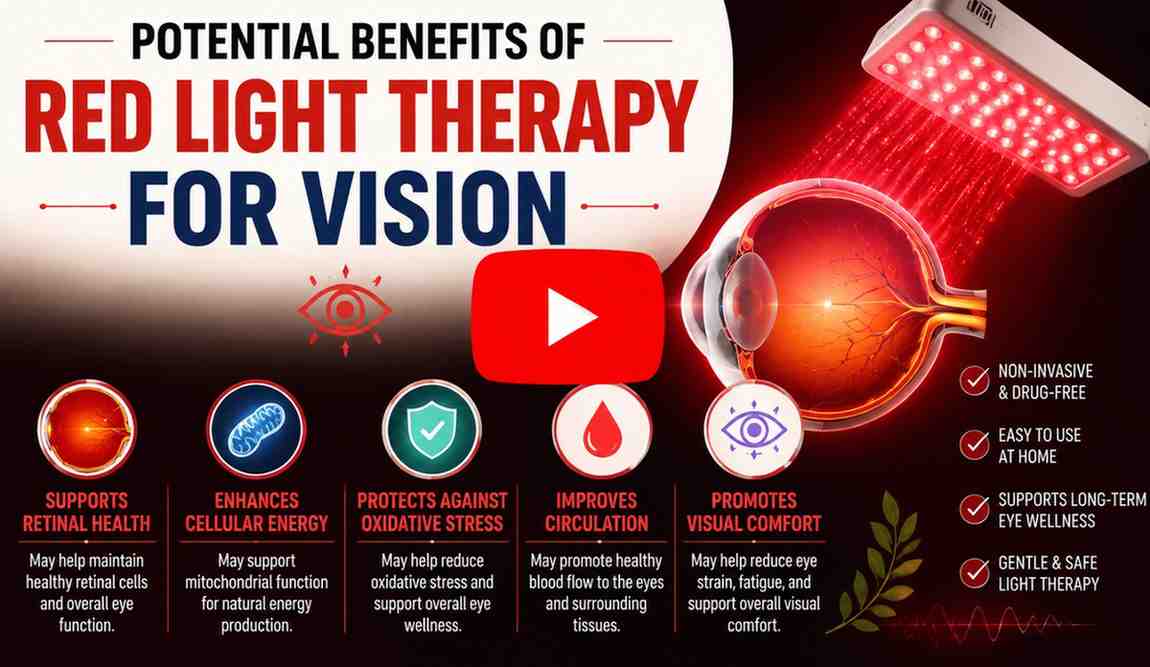
Potential Benefits of Red Light Therapy for Vision
While research continues, red light therapy has attracted interest because of several potential wellness benefits related to eye support.
It is important to understand that results can vary, and red light therapy should be viewed as a supportive wellness approach rather than a guaranteed solution for vision conditions.
Supports Retinal Wellness
The retina is a light-sensitive layer located at the back of the eye. It contains specialized cells responsible for detecting light and sending visual information to the brain.
Because retinal cells require significant energy, researchers have explored whether red light exposure may help support their normal function.
Supporting retinal wellness is one of the main reasons red light therapy has gained attention in vision research.
Helps Support Visual Comfort
Many people experience eye discomfort due to extended screen use, reading, or prolonged periods of concentration.
Digital eye strain may involve symptoms such as:
- Temporary eye fatigue
- Dryness
- Difficulty focusing
- General discomfort
Some individuals explore red light therapy as part of a broader routine focused on maintaining eye comfort and healthy visual habits.
Supports Healthy Cellular Function
Every tissue in the body depends on healthy cellular activity. The eyes are especially dependent on efficient cellular processes because they continuously respond to changing light conditions.
Red light therapy is studied for its potential ability to encourage healthy cellular responses.
Promotes Overall Eye Wellness
Eye health is influenced by multiple lifestyle factors, including:
- Nutrition
- Sleep quality
- Screen habits
- Hydration
- Regular eye examinations
- Environmental exposure
Red light therapy may complement these habits by providing additional wellness support.
A complete eye wellness routine combines multiple healthy habits rather than relying on a single approach.
The Connection Between Light and Eye Health
Light plays a complicated role in vision. The eyes are designed to detect and process light, but different wavelengths can affect the body in different ways.
Natural sunlight contains a wide range of wavelengths, while artificial lighting and screens produce different light patterns.
Red wavelengths have been studied because they are longer than visible blue light wavelengths and may interact differently with biological tissues.
Near-infrared wavelengths are especially interesting because they can penetrate deeper into tissues compared with visible light.
Researchers studying photobiomodulation are investigating how controlled light exposure may influence:
- Cellular communication
- Energy production
- Tissue response
- Recovery processes
This scientific interest has contributed to growing awareness of red light therapy as a potential supportive tool for wellness.
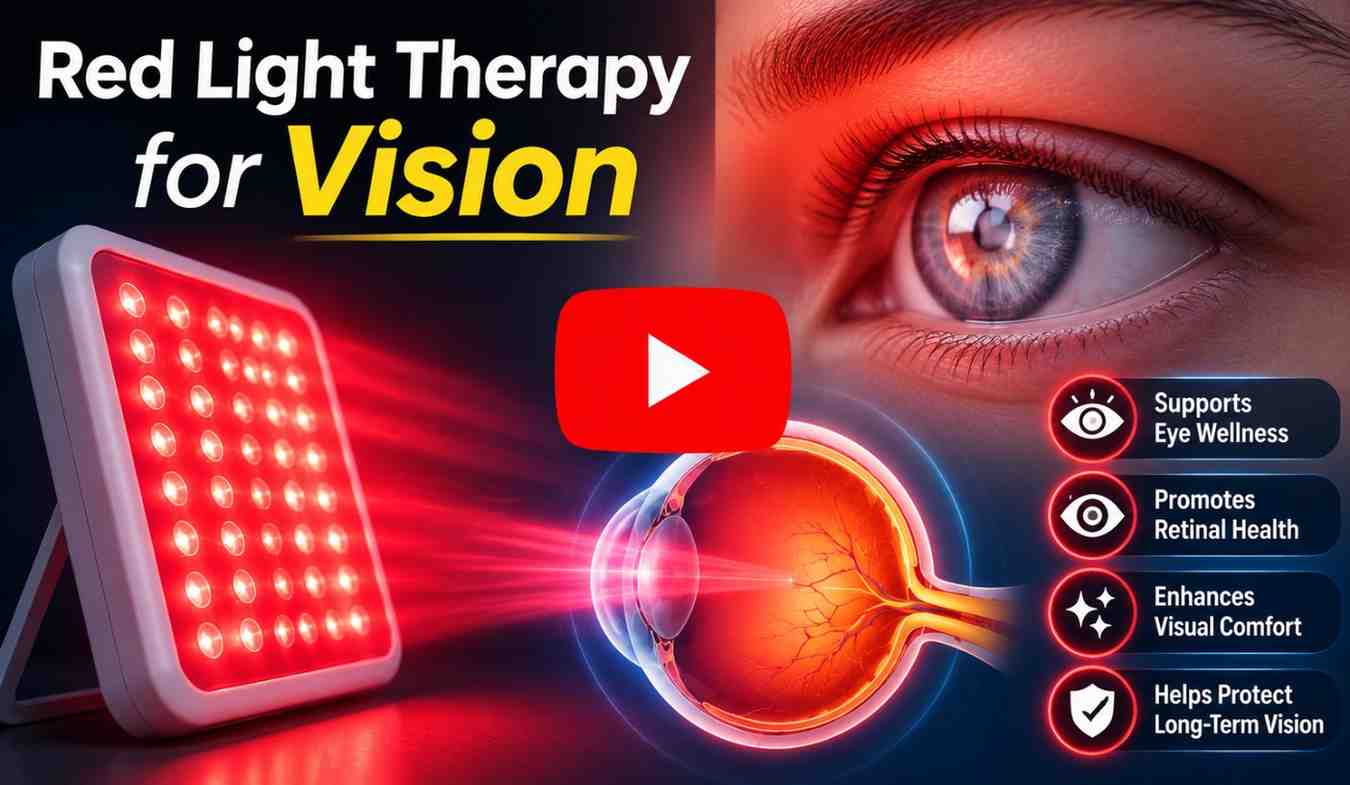
Red Light Therapy and Age-Related Vision Support
As people age, maintaining healthy vision becomes an increasingly important part of overall wellness. The eyes naturally experience changes over time due to cellular aging, environmental exposure, and years of visual activity.
Age-related changes can affect different parts of the eye, including the lens, retina, and other supporting structures. Because many of these changes are connected with cellular function and oxidative balance, researchers have explored whether approaches that support healthy cellular activity may also contribute to eye wellness.
Red light therapy has gained interest because it supports the natural processes that help cells function efficiently.
The retina contains specialized cells that require large amounts of energy to perform their normal functions. Over time, mitochondrial efficiency may naturally decline, which has led researchers to investigate whether red and near-infrared light exposure could help support retinal cellular activity.
Studies exploring photobiomodulation suggest that certain wavelengths may interact with mitochondria and influence processes related to energy production and cellular maintenance.
Although more research is needed, red light therapy continues to be studied as a possible supportive approach for maintaining healthy vision as part of an overall wellness routine.
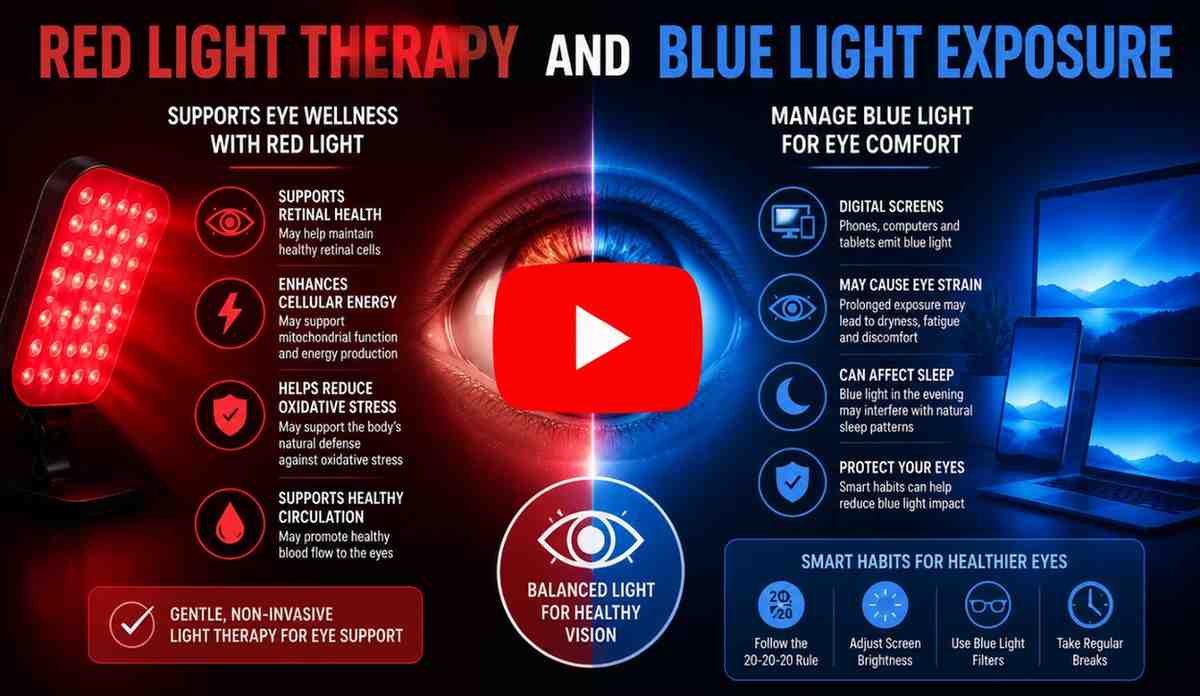
Red Light Therapy and Blue Light Exposure
Modern lifestyles involve significant exposure to digital screens, including smartphones, computers, tablets, and televisions. This increased screen time has raised awareness about the importance of maintaining healthy eye habits.
Blue light is a high-energy visible wavelength that comes from both natural sunlight and digital devices. While normal exposure is part of everyday life, excessive screen use may contribute to temporary visual discomfort for some individuals.
Common experiences associated with extended screen use may include:
- Eye fatigue
- Difficulty maintaining focus
- Temporary dryness
- Reduced visual comfort
Red light therapy is sometimes discussed alongside blue light management because the two involve different wavelengths with different biological effects.
Managing screen habits and supporting eye wellness requires a balanced approach.
Helpful habits may include:
- Taking regular breaks from screens
- Adjusting screen brightness
- Maintaining proper viewing distance
- Using appropriate lighting
- Practicing the 20-20-20 rule
The 20-20-20 rule involves looking at something approximately 20 feet away for 20 seconds every 20 minutes of screen use. This simple habit may help reduce temporary eye strain.
Red light therapy may complement these habits by supporting broader cellular wellness.
How to Use Red Light Therapy for Vision Support
The exact approach to red light therapy can vary depending on the device, wavelength, intensity, and intended purpose.
Most red light therapy devices are designed to provide controlled exposure for a specific amount of time. Users should always follow the instructions provided with their device.
General considerations include:
Choose Appropriate Light Wavelengths
Red light therapy devices commonly use red wavelengths and near-infrared wavelengths.
Different wavelengths may penetrate tissues differently, which is why researchers continue studying how specific light ranges interact with biological systems.
Follow Recommended Exposure Times
More exposure does not always mean better results.
Consistent, controlled use is generally emphasized in light therapy research. Overuse may increase discomfort, especially around sensitive areas such as the eyes.
Protect Eye Comfort
The eyes are highly sensitive organs, so users should take care when applying any light-based therapy near the face.
Depending on the device design, protective eyewear may be recommended.
Safety and proper usage are essential when using any light-based wellness device.
Safety Considerations of Red Light Therapy for Vision
Red light therapy is generally considered a non-invasive wellness approach, but safety precautions remain important.
Before using any light therapy device, individuals should consider:
- The quality and specifications of the device
- Manufacturer instructions
- Existing eye conditions
- Personal sensitivity to light
People with specific eye concerns or those receiving medical eye treatments should discuss new wellness approaches with an eye care professional.
Red light therapy should not be considered a replacement for:
- Professional eye examinations
- Prescription glasses or contact lenses
- Medical treatments
- Recommended therapies from healthcare providers
Regular eye care remains one of the most important steps for protecting long-term vision.
Factors That Influence Eye Wellness
While red light therapy has gained popularity, healthy vision depends on many different lifestyle factors.
A complete eye wellness strategy may include nutrition, physical activity, sleep, hydration, and regular monitoring.
Maintain a Nutrient-Rich Diet
The eyes require a variety of nutrients to support normal function.
A balanced diet that includes colorful fruits, vegetables, healthy fats, and whole foods provides important nutritional support.
Foods commonly associated with eye wellness include:
- Leafy green vegetables
- Colorful fruits
- Nuts and seeds
- Fish rich in healthy fats
- Eggs
- Whole grains
Prioritize Quality Sleep
Sleep plays an important role in overall health, including eye comfort.
During sleep, the body performs natural maintenance processes that support recovery and balance.
Poor sleep may contribute to tired-looking eyes, discomfort, and reduced daily energy.
Quality sleep is one of the simplest habits that supports whole-body wellness.
Practice Healthy Screen Habits
Because screen use is part of modern life, creating healthier habits can make a meaningful difference.
Helpful strategies include:
- Reducing unnecessary screen time
- Taking regular breaks
- Keeping screens at a comfortable distance
- Adjusting text size
- Avoiding excessive brightness
Who May Consider Red Light Therapy for Vision Support?
Red light therapy may appeal to individuals interested in supporting their eye wellness through non-invasive approaches.
People who explore this type of therapy often include those looking for support with:
- General eye wellness
- Visual comfort
- Healthy aging strategies
- Cellular wellness
- Lifestyle-based eye support
However, expectations should remain realistic.
Red light therapy is a supportive wellness tool, not a replacement for professional eye care.
Anyone experiencing changes in vision, persistent discomfort, or unusual symptoms should seek guidance from a qualified healthcare professional.
Combining Red Light Therapy With a Healthy Lifestyle
The most effective wellness routines usually involve multiple supportive habits working together.
Red light therapy may be combined with:
- Regular Eye Exams: Routine eye examinations help monitor vision changes and identify potential concerns early.
- Balanced Nutrition: Healthy eating supports the body systems involved in maintaining normal function.
- Physical Activity: Exercise supports circulation and overall health.
- Stress Management: Chronic stress can influence many aspects of wellness, making relaxation practices valuable.
- Proper Hydration: Adequate hydration supports normal body processes, including those related to eye comfort.
Final Thoughts
Red light therapy for vision has become an increasingly researched topic because of its potential connection with cellular energy, oxidative balance, and overall eye wellness.
The eyes are complex organs that depend on healthy cellular activity, proper nutrition, and consistent care. While red light therapy shows promising areas of interest, it works best as part of a broader approach to supporting vision health.
Healthy vision is built through daily habits, preventive care, and long-term wellness choices.
Maintaining regular eye examinations, practicing healthy screen habits, eating a balanced diet, getting enough sleep, and protecting the eyes from unnecessary strain remain essential steps.
For individuals interested in exploring modern wellness technologies, red light therapy represents an innovative area of research that may complement traditional approaches to eye care.
As scientific understanding continues to develop, future studies may provide clearer insights into how specific light wavelengths can support different aspects of visual wellness.
References
.