The search for simple, natural approaches to supporting overall health has increased interest in everyday ingredients like baking soda.
Many people explore using baking soda for the kidneys and liver because these two organs play essential roles in maintaining the body’s internal balance, filtering out unwanted substances, and supporting overall wellness.
Baking soda, scientifically known as sodium bicarbonate, is a common household compound used in cooking, cleaning, and various wellness practices for generations.
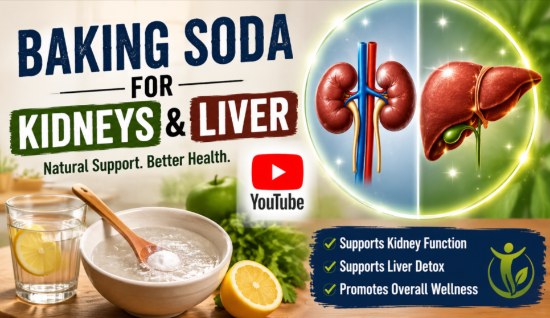

Baking soda may support kidney and liver wellness by helping maintain healthy balance, but it should be used carefully with professional guidance.
Kidneys and liver work together as major support systems for maintaining internal balance. The kidneys help filter the blood, manage fluid levels, and maintain important mineral and acid-base balance.
The liver supports digestion, nutrient processing, metabolism, and the body’s natural detoxification pathways. Because these organs are continuously working, many people look for lifestyle choices that may help maintain their normal function.
While baking soda has some scientifically recognized roles in acid-base balance, it is important to understand how it interacts with the body and fits into a healthy lifestyle approach.
This article explores the relationship between baking soda and kidney and liver health, including how it works, potential benefits, safety considerations, and healthy practices that support these vital organs.
What Is Baking Soda?
Baking soda is a naturally occurring mineral compound known as sodium bicarbonate. It is a white crystalline powder commonly used in baking because it helps dough rise by reacting with acidic ingredients.
Beyond cooking applications, baking soda has been studied for its role in maintaining pH balance. The human body naturally uses bicarbonate systems to regulate acidity levels in the blood and tissues.
The body produces bicarbonate naturally, mainly through processes involving the kidneys and lungs. These systems work continuously to maintain a stable internal environment.
Baking soda is best known for its ability to interact with acids.
When sodium bicarbonate dissolves, it releases bicarbonate ions that can help neutralize acids. This property explains why it has been used in certain medical settings under professional supervision.
However, consuming baking soda is different from using it externally or in food preparation. Because it contains sodium, excessive intake may affect certain individuals, especially those managing specific health concerns.
Understanding how baking soda works can help people make informed decisions about whether it fits into their wellness routine.
The Importance of Kidney Health
The kidneys are two small organs located near the lower back that perform several important functions. They continuously filter blood, remove waste products, regulate water balance, and help maintain proper levels of minerals and electrolytes.
One of the kidneys’ important responsibilities is maintaining acid-base balance. The body naturally produces acids during normal metabolism, and the kidneys help remove excess acid while preserving necessary bicarbonate.
Healthy kidneys help maintain the body’s delicate internal balance.
The kidneys also support:
- Normal blood pressure regulation
- Fluid balance
- Electrolyte management
- Waste removal
- Mineral regulation
Because kidney function is closely linked to acid regulation, researchers have examined the role of bicarbonate in certain kidney-related conditions.
Lifestyle choices such as staying hydrated, eating a balanced diet, maintaining healthy blood pressure, and avoiding excessive sodium intake are important parts of supporting kidney wellness.
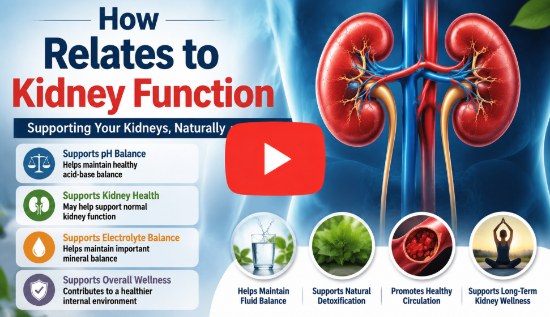
How Baking Soda Relates to Kidney Function
Bicarbonate plays a natural role in the body’s acid-buffering system. The kidneys help control bicarbonate levels, which are important for maintaining stable blood chemistry.
Some scientific research has explored the use of bicarbonate supplementation in specific medical situations involving acid imbalance. In certain cases, healthcare professionals may recommend bicarbonate therapy for individuals with particular kidney-related concerns.
However, baking soda should not be viewed as a general kidney cleanser or a replacement for medical care.
The kidneys naturally perform filtration and balance functions every day.
The idea that baking soda can “flush” or “detox” kidneys is a common wellness belief, but the body already has highly developed systems for removing waste. Supporting these systems through healthy habits is generally more beneficial.
Potential ways baking soda may relate to kidney wellness include:
Supporting Acid Balance
Bicarbonate contributes to the body’s natural buffering system. Maintaining proper acid balance is one of the kidneys’ responsibilities.
Providing Bicarbonate Support
In certain situations, additional bicarbonate may be considered under medical supervision to help address specific imbalances.
Understanding Mineral Balance
Because baking soda contains sodium, its effects may vary depending on an individual’s overall diet and health status.
The Role of the Liver in Overall Wellness
The liver is one of the body’s largest and most important organs. Located in the upper right portion of the abdomen, it performs hundreds of functions that support daily health.
The liver helps process nutrients from food, produces substances needed for digestion, stores energy, and supports the body’s natural removal of unwanted compounds.
Important liver functions include:
- Processing fats, proteins, and carbohydrates
- Supporting digestion through bile production
- Storing certain vitamins and minerals
- Helping regulate metabolism
- Supporting natural detoxification pathways
The liver is the body’s primary processing center.
Because the liver plays such a major role in metabolism, many people search for natural ways to maintain liver health. This has led to interest in various foods, supplements, and household ingredients, including baking soda.
Does Baking Soda Support Liver Health?
Unlike its connection with acid balance, baking soda does not have a direct cleansing effect on the liver.
The liver does not require external “flushing” because it already has natural mechanisms for processing and removing substances from the bloodstream.
The connection between baking soda and liver wellness mainly comes from discussions about maintaining overall body balance rather than directly improving liver function.
A healthy lifestyle remains one of the most important factors supporting liver wellness.
Helpful habits include:
- Eating nutrient-rich foods
- Maintaining a healthy weight
- Exercising regularly
- Limiting excessive alcohol consumption
- Getting enough sleep
- Staying properly hydrated
Supporting liver health starts with daily lifestyle choices.
How Acid Balance Affects Overall Health
The body carefully regulates its pH levels through multiple systems, including the lungs and kidneys. Even small changes in blood acidity can affect normal body processes, which is why maintaining balance is important.
Bicarbonate acts as one of the body’s natural buffering substances. It helps prevent excessive acidity and supports stable conditions needed for normal cellular activity.
The kidneys play a major role by regulating bicarbonate levels and removing excess acid from the body through urine.
Baking soda’s popularity comes from its ability to provide bicarbonate. However, the body’s natural regulation systems are complex and carefully controlled.
Taking large amounts of baking soda without understanding individual health needs may disrupt normal electrolyte balance.
Potential Benefits of Baking Soda for Kidneys and Liver Wellness
While baking soda should not be considered a cure or detox solution, understanding its properties can help explain why people are interested in it.
- Supports Healthy Acid-Base Balance: Baking soda provides bicarbonate, which is involved in the body’s natural system for maintaining proper acidity levels.
- Helps Understand Mineral Balance: Because sodium bicarbonate contains sodium, it highlights the importance of maintaining proper electrolyte balance through diet and lifestyle.
- Supports Awareness of Kidney Function: Learning about bicarbonate can help people better understand how kidneys regulate internal balance.
- Encourages Healthy Lifestyle Discussions: Interest in baking soda often encourages people to pay closer attention to hydration, nutrition, and overall wellness habits.
- Provides Educational Value: Understanding how bicarbonate works can improve awareness of the body’s natural systems.
Knowledge is an important part of maintaining long-term wellness.

Baking Soda and Kidney Stones: What People Should Know
One reason baking soda is often discussed in relation to kidneys is because of its connection with urinary chemistry.
The formation of certain types of kidney stones can be influenced by factors such as urine composition, hydration, diet, and mineral levels.
Bicarbonate may influence urine acidity, which is why sodium bicarbonate has been studied in specific medical contexts.
However, kidney stones vary in type and cause. A method that may be appropriate for one person may not be suitable for another.
Anyone with a history of kidney stones should discuss dietary changes or supplementation approaches with a healthcare professional.
Kidney health requires personalized attention.
Safety Considerations Before Using Baking Soda
Although baking soda is commonly found in kitchens worldwide, consuming it regularly or in large amounts requires caution.
Because baking soda contains sodium, excessive intake may not be appropriate for everyone.
People who should be especially cautious include those with:
- Sodium-sensitive conditions
- Certain heart concerns
- Blood pressure concerns
- Kidney-related conditions
- Fluid balance issues
Possible concerns from excessive intake may include:
- Increased sodium levels
- Digestive discomfort
- Changes in electrolyte balance
- Unwanted effects on fluid regulation
Natural does not always mean suitable for everyone.
Healthy Ways to Support Kidney and Liver Wellness Naturally
While baking soda attracts attention because of its connection with bicarbonate and acid balance, long-term kidney and liver wellness depends on many daily habits working together.
The body already has powerful systems designed to maintain balance. The goal of a healthy lifestyle is to support these natural processes rather than replace them.
Maintain Proper Hydration
Water plays an essential role in kidney function. Adequate hydration helps the kidneys maintain normal filtration processes and supports healthy urine production.
Drinking enough fluids throughout the day can help the body manage waste products efficiently.
However, hydration needs vary depending on activity level, climate, diet, and individual health conditions.
Balanced hydration is one of the simplest ways to support kidney wellness.
Follow a Nutrient-Rich Diet
The foods people eat have a major influence on kidney and liver health.
A balanced eating pattern that includes vegetables, fruits, whole grains, lean proteins, and healthy fats provides nutrients needed for normal body functions.
Foods commonly associated with general organ wellness include:
- Leafy green vegetables
- Berries
- Whole grains
- Nuts and seeds
- Healthy protein sources
- Foods rich in natural antioxidants
Reducing excessive processed foods and high-sodium meals may also support overall wellness.
A healthy plate supports a healthier body.
Limit Excess Sodium Intake
Because baking soda contains sodium, understanding sodium intake is important.
The body requires sodium for normal nerve and muscle function, but excessive amounts may place additional challenges on fluid balance.
Many processed foods contain hidden sodium, including packaged snacks, prepared meals, and certain sauces.
Maintaining reasonable sodium intake can support healthy blood pressure and overall wellness.
Baking Soda and the Body’s Natural Detoxification Process
The word “detox” is often used in wellness discussions, but the body naturally performs detoxification every day.
The liver processes substances from the bloodstream, while the kidneys filter waste products and help remove them from the body through urine.
Baking soda does not directly cleanse the liver or physically remove toxins from the kidneys.
Instead, its primary recognized role relates to bicarbonate and acid balance.
Your body already has built-in detoxification systems.
Supporting these systems through healthy habits is generally more meaningful than relying on a single ingredient.
Can Baking Soda Improve Liver Detox?
The liver contains complex pathways responsible for processing substances and supporting metabolism.
These pathways involve enzymes, nutrients, and cellular processes that work together continuously.
While maintaining proper hydration and nutrition can support liver function, there is limited evidence that drinking baking soda directly enhances liver detoxification.
The liver benefits most from:
- Balanced nutrition
- Regular physical activity
- Healthy weight management
- Avoiding excessive alcohol intake
- Proper sleep patterns
Baking soda may be used for cooking or for household purposes, but it should not be considered a liver-cleansing treatment.
The Connection Between Gut Health, Kidneys, and Liver
The digestive system is closely connected with overall wellness. The nutrients absorbed from food influence many body processes, including those involving the kidneys and liver.
A healthy gut environment may support normal digestion and nutrient absorption.
Lifestyle choices that promote digestive wellness include:
- Eating enough fiber
- Including a variety of plant foods
- Staying hydrated
- Maintaining regular movement
The liver processes nutrients absorbed through digestion, while the kidneys help maintain the balance of minerals and fluids.
Whole-body wellness depends on connected systems working together.

Common Myths About Baking Soda for Kidneys and Liver
Because baking soda is inexpensive and widely available, many claims about its benefits circulate online.
Understanding the difference between facts and myths is important.
Myth 1: Baking Soda Cleans the Kidneys
The kidneys naturally filter blood and remove waste. Baking soda does not wash or clean the kidneys.
Myth 2: Baking Soda Removes Liver Toxins
The liver naturally processes substances through its own biological pathways. Baking soda is not a liver detox solution.
Myth 3: More Baking Soda Means More Benefits
Higher amounts do not necessarily provide greater wellness benefits and may create unwanted effects.
More is not always better when it comes to health.
How Baking Soda Is Commonly Used
Baking soda has many traditional uses beyond wellness discussions.
Common uses include:
- Cooking: It acts as a leavening agent, helping baked goods rise.
- Household Cleaning: Its mild alkalinity makes it useful for cleaning.
- Oral Care Products: Some toothpaste formulas include baking soda because of its cleansing properties.
- Medical Applications: Sodium bicarbonate is used in certain healthcare settings for specific conditions under professional guidance.
Understanding these different uses helps separate everyday applications from medical uses.
Should You Drink Baking Soda for Kidney and Liver Support?
Many people wonder whether drinking baking soda water can improve kidney or liver function.
The answer depends on individual circumstances.
For healthy individuals, occasional use in food preparation is generally different from consuming concentrated amounts as a wellness practice.
Before regularly consuming baking soda, it is important to consider:
- Current health status
- Dietary sodium intake
- Medications being used
- Existing medical conditions
A healthcare professional can provide guidance based on personal needs.
Personalized advice is always better than general wellness trends.
Signs That May Require Medical Attention
While lifestyle habits can support wellness, certain symptoms should not be ignored.
People experiencing concerns related to kidney or liver function should seek professional evaluation.
Possible warning signs may include:
- Persistent fatigue
- Unusual swelling
- Changes in urination
- Persistent abdominal discomfort
- Changes in skin or eye appearance
- Unexplained changes in appetite
These symptoms can have many possible causes and require proper assessment.
The Importance of Regular Health Monitoring
Kidney and liver health can change gradually without obvious symptoms.
Routine health checks may help identify potential concerns early.
Common evaluations may include:
- Blood tests
- Urine tests
- Blood pressure monitoring
- Lifestyle assessments
Regular monitoring allows individuals and healthcare providers to make informed decisions.
Prevention begins with awareness.
Baking Soda for Kidneys and Liver: Final Thoughts
Baking soda has gained popularity because of its connection with bicarbonate and the body’s natural acid-balancing systems.
The kidneys naturally regulate bicarbonate levels, while the liver performs essential processing and metabolic functions. Although baking soda has recognized uses in certain medical and household applications, it should not be considered a replacement for healthy lifestyle choices or professional medical care.
For those interested in supporting kidney and liver wellness, the most effective approach typically involves proper hydration, balanced nutrition, regular movement, healthy weight management, and avoiding excessive intake of substances that can stress these organs.
Healthy organs are supported by consistent daily habits.
Baking soda may have a place in everyday life, but understanding its role and limitations is essential. Responsible use, informed choices, and professional guidance when needed can help individuals make better decisions about their wellness routines.
Conclusion
Baking soda for kidneys and liver is a topic that attracts attention because of its relationship with bicarbonate and the body’s natural balance systems. While baking soda has recognized uses, it is important to understand that kidney and liver wellness cannot be achieved through a single ingredient alone.
The best support comes from a complete healthy lifestyle approach.
Maintaining proper hydration, eating nutrient-rich foods, staying active, and following appropriate medical guidance are key steps toward supporting these vital organs.
Baking soda may remain useful in cooking and certain applications, but responsible use and realistic expectations are essential for making informed wellness decisions.
References
https://en.wikipedia.org/wiki/Kidney
https://www.mayoclinic.org/diseases-conditions/liver-problems/symptoms-causes/syc-20374502
https://pmc.ncbi.nlm.nih.gov/articles/PMC10924833/
.