Dementia is a complex condition that affects memory, thinking ability, communication, and daily activities. As more people look for natural ways to support brain health, traditional foods and wellness practices have gained attention.
One topic that has recently sparked curiosity is the “Honey Trick for Dementia.” Honey has been valued for centuries as a natural food rich in antioxidants, plant compounds, and nutrients that may support overall wellness.
While honey is not a cure or treatment for dementia, researchers have explored how certain properties of honey may support healthy aging, brain function, and lifestyle habits associated with cognitive wellness.

Honey Trick for Dementia explores how honey may support overall brain wellness, healthy lifestyle habits, and cognitive function through its nutritional benefits.
The idea behind the Honey Trick for Dementia is to use honey as part of a balanced wellness routine. Many people are interested in understanding whether adding small amounts of honey to their diet can support memory, energy, and overall brain health.
Healthy brain function depends on many factors, including nutrition, physical activity, sleep, and lifestyle choices.
This article explores what the Honey Trick for Dementia means, how honey may support brain wellness, the science behind honey’s components, and practical ways to include honey as part of a healthy lifestyle.
What Is the Honey Trick for Dementia?
The Honey Trick for Dementia generally refers to the practice of incorporating honey into daily nutrition of support brain health and cognitive wellness. It is often discussed in natural wellness communities as a simple dietary approach that combines honey with other healthy habits.
The concept is based on the idea that certain nutrients and natural compounds found in honey may help maintain overall body function, including processes related to brain health.
Honey contains naturally occurring sugars, antioxidants, enzymes, minerals, and plant-based compounds. These elements have been studied for their potential roles in supporting:
- Healthy energy levels
- Antioxidant protection
- Normal inflammatory balance
- Overall wellness
- Healthy aging
However, dementia involves multiple biological factors, including changes in brain cells, genetics, age-related processes, and environmental influences. Because of this complexity, no single food can prevent, reverse, or cure dementia.
Honey can be part of a supportive wellness routine, but it should not replace professional medical guidance.
The Honey Trick for Dementia is best viewed as a nutritional habit that may complement a broader approach to maintaining brain and body health.
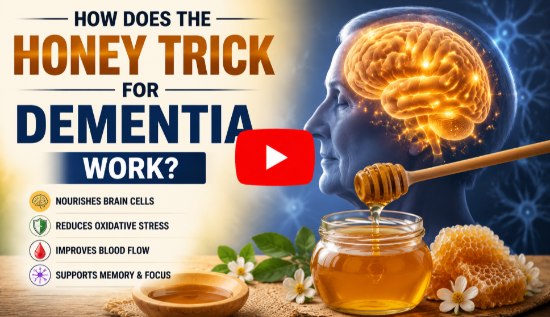
How Does the Honey Trick for Dementia Work?
The potential benefits of honey for cognitive wellness are connected to several areas of nutritional science. Researchers have examined how antioxidants, natural compounds, and energy-supporting nutrients may influence overall health.
Supporting Antioxidant Protection
The brain requires significant energy to function properly. Because of this high activity level, the brain naturally produces oxidative stress as part of normal metabolism.
Honey contains antioxidant compounds, including flavonoids and phenolic substances, which help protect cells from oxidative stress.
Oxidative balance is an important area of research because excessive oxidative stress may contribute to age-related changes throughout the body.
By including antioxidant-rich foods in a balanced diet, individuals can support the body’s natural protective systems.
Antioxidant-rich nutrition plays an important role in healthy aging.
Providing Natural Energy Support
The brain depends heavily on glucose for energy. Honey contains natural carbohydrates that can provide a quick source of energy.
When used in moderation, honey may help support daily energy levels, which can be important for maintaining activity and engagement.
A healthy level of physical and mental activity is often associated with overall cognitive wellness.
However, maintaining balanced blood sugar levels is important, especially for individuals managing metabolic concerns.
Supporting a Healthy Inflammatory Response
Research has explored the relationship between nutrition and the body’s inflammatory processes.
Honey contains naturally occurring plant compounds that have been studied for their ability to support normal inflammatory balance.
Maintaining a balanced inflammatory response is considered an important aspect of overall wellness because chronic imbalance may affect many areas of health.
A nutrient-rich diet containing fruits, vegetables, whole foods, and antioxidant sources may help support long-term wellness.
The Connection Between Honey and Brain Health
The relationship between diet and brain health has become an important area of scientific research. The brain requires a consistent supply of nutrients to support communication between cells, energy production, and normal function.
Honey is not considered a dementia treatment, but its nutritional properties have attracted interest because it contains several naturally occurring compounds.
Some areas researchers have explored include:
Antioxidant Activity: Honey contains antioxidants that may help protect cells from damage caused by free radicals.
Nutritional Support: As a carbohydrate source, honey provides energy that the body can use for daily activities.
Plant-Based Compounds: Different types of honey contain varying amounts of naturally occurring plant compounds, depending on the flowers used to produce it.
The quality and type of honey may influence its nutritional profile.
Potential Benefits of the Honey Trick for Dementia Wellness
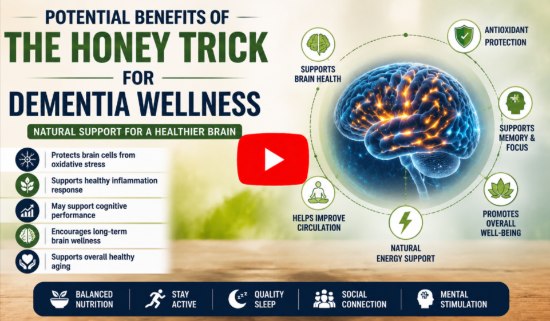
While honey cannot treat dementia, including it as part of a balanced lifestyle may provide several general wellness benefits.
Supports Overall Brain Wellness
Honey contains compounds that contribute to overall nutritional support. When combined with a healthy diet, it may help support general brain wellness.
Provides Antioxidant Support
The antioxidants naturally found in honey may help support the body’s defenses against oxidative stress.
Helps Maintain Energy Levels
A small amount of honey can provide carbohydrates that support daily energy needs.
Encourages Healthy Eating Habits
Using honey as part of a balanced meal plan may encourage people to focus on nutrient-rich foods.
Supports Healthy Aging Habits
Healthy aging involves many lifestyle factors, including nutrition, movement, sleep quality, and social engagement.
Scientific Perspective on Honey and Dementia
Scientists continue to study how nutrition influences cognitive health. Current research suggests that overall dietary patterns are more important than any single ingredient.
Foods rich in antioxidants, vitamins, minerals, healthy fats, and plant compounds are commonly associated with supportive aging strategies.
Honey has been studied for various biological properties, but more research is needed to understand its specific effects on dementia-related processes.
It is important to remember that dementia involves complex changes within the brain. Factors such as genetics, age, cardiovascular health, lifestyle, and environmental influences all contribute.
A single ingredient cannot replace a complete brain-health approach.
A supportive lifestyle may include:
- Eating a variety of nutrient-dense foods
- Staying physically active
- Maintaining social connections
- Getting quality sleep
- Managing overall health with professional support
How to Use Honey as Part of a Brain Wellness Routine
If someone chooses to include honey in their daily routine, moderation is important.
Some common ways people use honey include:
- Adding Honey to Warm Beverages: A small amount of honey may be added to tea or warm drinks as a natural sweetener.
- Combining Honey With Healthy Foods: Honey pairs well with foods such as yogurt, oats, nuts, or fruit for a balanced snack.
- Using Honey in Recipes: Honey can replace refined sweeteners in some recipes while adding natural flavor.
Consistency and balance matter more than a single “trick.”
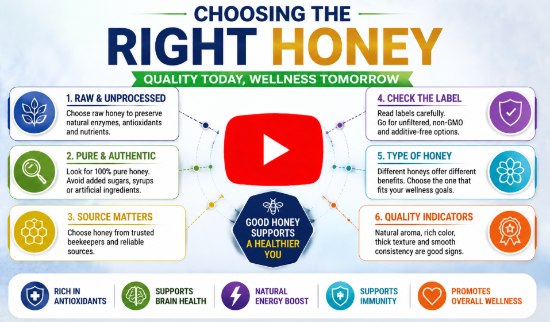
Choosing the Right Honey
Different types of honey may have different flavors, textures, and nutritional profiles.
Popular varieties include:
Raw Honey
Raw honey is minimally processed and may retain more naturally occurring compounds compared with heavily processed varieties.
Manuka Honey
Manuka honey is a specialty honey known for its unique compounds and has been widely researched for wellness applications.
Local Honey
Some people prefer local honey because of its flavor and regional characteristics.
When selecting honey, quality, sourcing, and moderation are important considerations.
Lifestyle Habits That Complement the Honey Trick for Dementia
Nutrition is only one part of supporting cognitive wellness. A complete lifestyle approach can provide broader benefits.
- Regular Physical Activity: Movement supports circulation, energy levels, and overall health.
- Quality Sleep: Restful sleep plays an important role in memory processes and daily brain function.
- Mental Stimulation: Reading, learning new skills, solving puzzles, and engaging in creative activities help keep the mind engaged.
- Social Connection: Positive relationships and social activities are important parts of healthy aging.
- Balanced Nutrition: A varied diet rich in vegetables, fruits, whole grains, protein, and healthy fats supports overall wellness.
Common Mistakes When Trying the Honey Trick for Dementia
- Expecting Immediate Results: Honey is a food, not a medication. Wellness benefits typically come from consistent healthy habits over time.
- Using Excessive Amounts: Although honey is natural, it is still a source of sugar. Portion control is important.
- Ignoring Other Health Factors: Brain wellness requires attention to multiple areas, including exercise, sleep, and medical care.
- Replacing Professional Advice: Natural foods can complement healthy living but should not replace recommendations from healthcare professionals.
Who May Consider Adding Honey to Their Diet?
Many healthy adults may enjoy honey as part of a balanced eating pattern.
People interested in using honey for wellness should consider:
- Their overall dietary needs
- Sugar intake
- Existing health conditions
- Personal nutrition goals
Individuals with specific medical concerns should discuss dietary choices with a healthcare professional.
Final Thoughts
The Honey Trick for Dementia has gained attention because many people are interested in natural approaches to supporting brain wellness. Honey contains antioxidants and natural compounds that may contribute to overall health when included as part of a balanced lifestyle.
However, dementia is a complex condition, and honey alone cannot prevent, treat, or reverse cognitive decline.
The most effective approach to supporting brain health includes a combination of nutritious foods, regular movement, quality sleep, mental stimulation, and healthy daily habits.
Small wellness choices can contribute to a healthier lifestyle when combined with a complete approach.
Honey may be a simple and enjoyable addition to a balanced diet, offering nutritional benefits while supporting overall wellness goals.
References
https://www.mayoclinic.org/diseases-conditions/dementia/symptoms-causes/syc-20352013
https://www.healthline.com/health/dementia
https://www.webmd.com/alzheimers/types-dementia
.