Maintaining healthy eyesight is an important part of overall wellness, and many people are exploring natural foods that may help support their vision.
One popular wellness trend is the “Blueberry Trick for Eyesight,” which focuses on the potential benefits of adding blueberries to a balanced diet for eye health.
Blueberries are small, nutrient-rich fruits known for their deep blue color, which comes from naturally occurring plant compounds called anthocyanins.
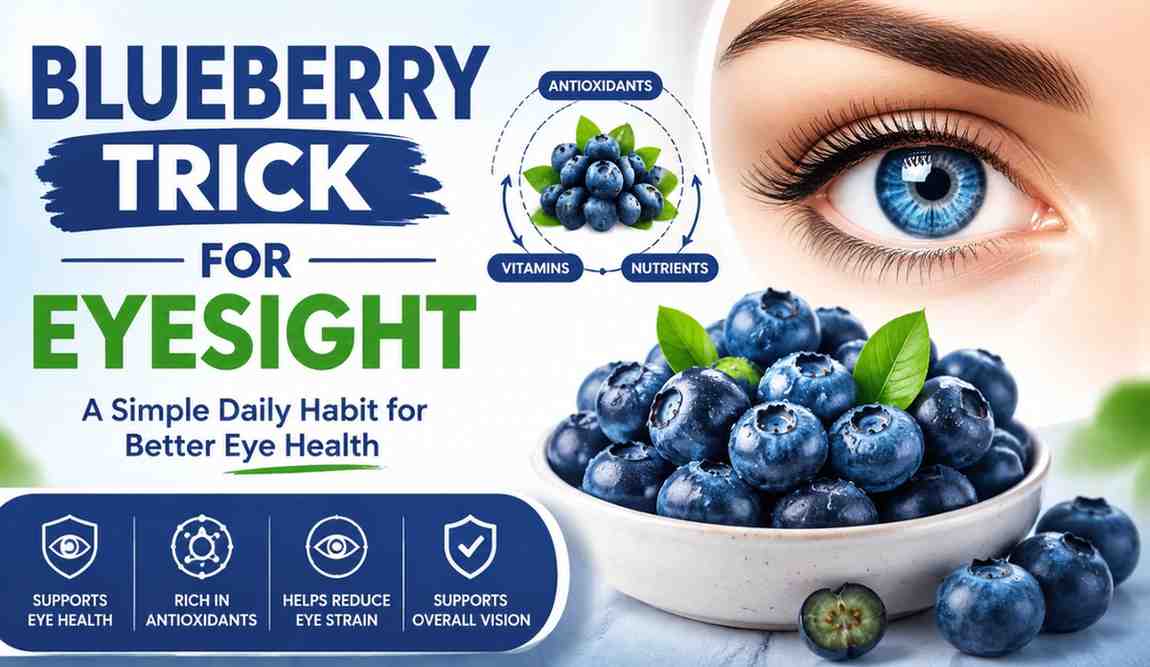

Discover the blueberry trick for eyesight, how blueberries support eye health, and natural ways to maintain clear vision with healthy lifestyle habits.
These powerful antioxidants have gained attention for helping protect cells from oxidative stress, a process associated with aging and everyday environmental factors.
While no single food can magically restore vision or replace professional eye care, blueberries can be a valuable addition to a healthy lifestyle. Their combination of antioxidants, vitamins, minerals, and plant compounds may help support the normal function of the eyes.
In this article, we explore what the blueberry trick for eyesight means, why blueberries are considered beneficial for eye wellness, how to include them in your daily routine, and other important habits that support long-term vision health.
What Is the Blueberry Trick for Eyesight?
The Blueberry Trick for Eyesight is a simple natural wellness approach that involves regularly consuming blueberries to provide the eyes with important nutrients that support overall eye health.
The idea behind this approach comes from the nutritional profile of blueberries. These berries contain antioxidants that help the body manage oxidative stress, which can affect many tissues, including those involved in vision.
Blueberries are especially recognized for their high concentration of anthocyanins. These natural plant pigments are responsible for the fruit’s rich blue-purple color and have been studied for their role in supporting healthy circulation and protecting cells from damage.
The retina, which is the light-sensitive layer at the back of the eye, requires proper nourishment and protection to function normally. A diet rich in colorful fruits and vegetables can provide nutrients that help maintain healthy eye structures.
The blueberry trick is not a quick fix; it is a nutrition-based habit that supports long-term eye wellness.
Many people include blueberries in smoothies, breakfast meals, snacks, or desserts as an easy way to increase their intake of beneficial plant compounds.
Why Are Blueberries Considered Helpful for Eye Health?
Blueberries are often called a “superfood” because they provide a variety of nutrients in a small serving. Their eye-supporting reputation stems mainly from their antioxidant content and their role in a nutrient-rich diet.
Rich in Antioxidants
One of the main reasons blueberries are associated with eye wellness is their antioxidant content.
The eyes are constantly exposed to light, oxygen, and environmental factors. Over time, these factors can contribute to oxidative stress. Antioxidants help the body maintain balance by supporting natural protective processes.
Blueberries contain anthocyanins and other polyphenols that help provide antioxidant support.
Antioxidant-rich foods are an important part of a balanced approach to protecting overall wellness.
Including blueberries alongside other colorful fruits and vegetables can help create a diverse nutrient intake that supports the body’s natural functions.
Anthocyanins: The Key Compound Behind Blueberries
The deep blue color of blueberries comes from anthocyanins, which belong to a group of plant compounds called flavonoids.
Research has explored anthocyanins for their potential role in supporting:
- Healthy circulation
- Cellular protection
- Normal inflammatory responses
- Overall antioxidant activity
Healthy blood flow is important for many parts of the body, including the eyes. The tiny blood vessels that supply nutrients to eye tissues require proper circulation to function effectively.
Blueberries may support eye wellness by providing compounds that promote a healthy nutritional environment.
The natural color of blueberries reflects the powerful plant nutrients they contain.

Nutrients in Blueberries That Support Overall Wellness
Blueberries contain several important nutrients that contribute to a healthy diet.
Vitamin C
Vitamin C is a well-known antioxidant nutrient that supports normal immune function and helps protect cells from oxidative stress.
The eyes contain delicate tissues that benefit from adequate antioxidant intake. Eating vitamin C-rich foods, including berries, citrus fruits, and vegetables, can contribute to overall nutrition.
Vitamin K
Blueberries provide vitamin K, a nutrient involved in normal blood health and other important body functions.
Fiber
Dietary fiber supports digestive health and helps maintain balanced nutrition. A healthy digestive system allows the body to better process and utilize nutrients from food.
Manganese
Blueberries contain manganese, a mineral involved in normal metabolism and antioxidant defense systems.
Small fruits can provide a surprisingly wide range of nutritional benefits.
How Does the Blueberry Trick for Eyesight Work?
The blueberry trick works by adding nutrient-dense blueberries to a regular eating pattern. Instead of focusing on a single ingredient as a solution, this approach emphasizes consistent nutrition.
When blueberries are consumed regularly, their natural compounds become part of the body’s overall nutrient supply.
The process involves several possible supportive actions:
Supporting Antioxidant Protection
Blueberries provide antioxidants that help the body manage oxidative stress. This is especially important because the eyes are exposed to light every day.
Supporting Healthy Circulation
The eye tissues require a steady supply of oxygen and nutrients. A balanced diet containing plant compounds may support healthy circulation throughout the body.
Supporting Cellular Health
The nutrients found in blueberries contribute to normal cellular function and maintenance.
Encouraging Healthy Eating Habits
The blueberry trick may also encourage people to choose more whole foods, fruits, and vegetables as part of their daily routine.
Consistency matters more than occasional consumption when building healthy nutrition habits.
Best Ways to Use Blueberries for Eye Health Support
Adding blueberries to your routine is simple and convenient. They can be enjoyed in many different ways depending on personal preferences.
Fresh Blueberries
Fresh blueberries make an easy snack and require no preparation. A handful can be added to breakfast or eaten between meals.
Frozen Blueberries
Frozen blueberries maintain much of their nutritional value and are convenient for smoothies and recipes.
Blueberry Smoothies
A smoothie combining blueberries with other nutritious ingredients can create a convenient wellness drink.
Popular combinations include:
- Blueberries with yogurt
- Blueberries with spinach
- Blueberries with oats
- Blueberries with nuts and seeds
Blueberry Breakfast Bowls
Adding blueberries to oatmeal, chia pudding, or yogurt bowls can increase daily fruit intake.
Blueberry Snacks
Blueberries can be paired with healthy foods such as almonds, walnuts, or Greek yogurt.
A simple daily habit can make healthy choices easier to maintain.
Blueberry Trick for Eyesight: Morning Routine Idea
Many people prefer adding blueberries to their morning routine because breakfast is an easy time to include nutrient-rich foods.
A simple morning routine could include:
- A serving of blueberries
- A protein source such as yogurt or eggs
- Whole grains such as oats
- Plenty of water
This combination provides balanced nutrition to support energy levels and overall wellness.
Another option is preparing a blueberry smoothie with:
- Blueberries
- Greek yogurt
- Banana
- Chia seeds
- Almond milk
This creates a convenient meal option with a variety of nutrients.
Can Blueberries Improve Vision?
A common question about the blueberry trick for eyesight is whether blueberries can improve vision.
The answer depends on what someone means by “improve vision.”
Blueberries are not considered a replacement for glasses, contact lenses, eye procedures, or professional eye treatments. They cannot instantly sharpen eyesight or reverse vision problems.
However, blueberries can support overall eye health by contributing valuable nutrients and antioxidants to the diet.
Healthy vision depends on many factors, including:
- Genetics
- Age
- Lifestyle habits
- Nutrition
- Regular eye examinations
- Protection from excessive eye strain
Blueberries support eye wellness as part of a complete healthy lifestyle.

Potential Benefits of the Blueberry Trick for Eyesight
Including blueberries in a balanced diet may provide several benefits that support overall eye wellness. These benefits are mainly linked to the antioxidants, vitamins, minerals, and plant compounds naturally found in blueberries.
Supports Eye Antioxidant Defense
The eyes are exposed to light and environmental factors every day, which makes antioxidant support an important part of maintaining healthy vision.
Blueberries contain anthocyanins and other beneficial compounds that help support the body’s natural antioxidant systems.
By including antioxidant-rich foods like blueberries in your diet, you provide your body with nutrients that help maintain normal cellular protection.
Blueberries provide natural plant compounds that support the body’s protective processes.
Helps Maintain Healthy Eye Circulation
Healthy circulation plays an important role in delivering oxygen and nutrients throughout the body.
The eyes contain many tiny blood vessels that support important visual functions. Nutrients found in colorful fruits such as blueberries contribute to a diet that supports healthy blood flow.
Anthocyanins have been studied for their role in supporting normal vascular function.
A diet containing a variety of fruits and vegetables may help support overall circulation and wellness.
Supports Normal Retinal Health
The retina is one of the most important parts of the eye because it receives light and sends visual information to the brain.
Maintaining retinal health requires proper nutrition, including antioxidant-rich foods.
Blueberries contain nutrients that contribute to a healthy diet designed to support normal eye function.
Healthy eyes begin with healthy nutrition.
Helps Protect Against Everyday Oxidative Stress
Oxidative stress naturally occurs in the body as part of normal biological processes.
Factors such as sunlight exposure, pollution, and aging can increase oxidative challenges.
Blueberries provide antioxidants that help the body maintain balance and support cellular wellness.
Including a variety of colorful fruits in your meals can provide a broader range of nutritional benefits.
Supports Long-Term Vision Wellness
The blueberry trick for eyesight is most effective when viewed as a long-term wellness habit.
Consistent healthy eating patterns can help maintain overall wellness as people age.
Blueberries are easy to include in everyday meals, making them a practical choice for individuals looking to improve their nutritional habits.
Blueberries vs Other Eye-Supporting Foods
While blueberries are popular for eye health, they are only one part of a vision-supporting diet.
A variety of foods can provide different nutrients that contribute to eye wellness.
Blueberries
Blueberries provide anthocyanins, vitamin C, fiber, and other plant compounds.
Carrots
Carrots contain beta-carotene, which the body converts into vitamin A. Vitamin A plays an important role in normal vision function.
Leafy Green Vegetables
Vegetables such as spinach and kale contain nutrients like lutein and zeaxanthin, which are commonly associated with eye nutrition.
Citrus Fruits
Oranges, lemons, and other citrus fruits provide vitamin C, an antioxidant nutrient.
Nuts and Seeds
Nuts and seeds provide healthy fats and minerals that contribute to overall nutrition.
The best approach to eye health includes a variety of nutrient-rich foods.
How Many Blueberries Should You Eat Daily?
There is no specific “magic amount” of blueberries required for eye health. The ideal serving depends on individual dietary needs, preferences, and overall eating patterns.
Many people include approximately a handful to a cup of blueberries as part of their daily fruit intake.
Blueberries can be eaten:
- With breakfast
- As a snack
- Added to smoothies
- Mixed into yogurt
- Combined with healthy recipes
The key is consistency.
Eating blueberries occasionally may be enjoyable, but making them part of a regular balanced diet provides a better approach to long-term wellness.
Blueberry Smoothie Recipe for Eye Health Support
A simple blueberry smoothie can be an easy way to include this nutrient-rich fruit in your routine.
Ingredients:
- 1 cup blueberries
- 1 cup Greek yogurt
- ½ cup almond milk
- 1 tablespoon chia seeds
- A small amount of honey (optional)
Preparation:
Add all ingredients to a blender and mix until smooth.
This smoothie provides a combination of antioxidants, protein, fiber, and healthy nutrients.
A nutritious recipe can turn healthy habits into an enjoyable daily routine.
Lifestyle Habits That Support Healthy Eyes
Although nutrition is important, eye wellness also depends on daily habits.
Take Regular Screen Breaks
Many people spend several hours looking at computers, smartphones, and digital devices.
Following the 20-20-20 rule can help reduce digital eye strain:
- Every 20 minutes
- Look at something 20 feet away
- For at least 20 seconds
This simple habit encourages regular eye relaxation.
Wear Sunglasses Outdoors
Protecting your eyes from excessive sunlight exposure is an important wellness habit.
Quality sunglasses can help reduce exposure to bright sunlight and support comfortable vision outdoors.
Stay Hydrated
Adequate hydration supports normal body functions, including eye comfort.
Drinking enough water throughout the day can help maintain overall wellness.
Get Regular Eye Exams
Regular eye examinations allow professionals to monitor eye health and identify changes early.
Even people with healthy vision can benefit from routine checkups.
Maintain Balanced Nutrition
A diet rich in fruits, vegetables, whole grains, lean proteins, and healthy fats supports overall wellness.
Blueberries can be part of this approach, but they work best alongside a complete, healthy lifestyle.
Common Myths About the Blueberry Trick for Eyesight
As interest in natural wellness grows, several misconceptions about blueberries and vision have become popular.
Understanding the facts helps people make informed choices.
Myth: Blueberries Can Restore Perfect Vision
Blueberries cannot reverse all vision problems or restore eyesight instantly. They provide nutrients that support eye wellness but should not replace professional care.
Myth: Eating Blueberries Once Provides Immediate Results
Nutrition works through consistent habits over time. Regularly adding blueberries to a balanced diet is a more realistic approach.
Myth: Only Blueberries Matter for Eye Health
Eye wellness depends on many factors, including lifestyle, genetics, nutrition, and regular eye care. A variety of healthy foods is the best approach.
Who May Benefit From Adding Blueberries to Their Diet?
Many people can enjoy blueberries as part of a healthy eating pattern.
They may be especially appealing for:
- Adults interested in healthy aging
- People looking to increase fruit intake
- Individuals wanting more antioxidant-rich foods
- Those following balanced nutrition plans
- People seeking convenient healthy snacks
Blueberries are naturally versatile and can easily fit into different dietary preferences.
Tips for Choosing Quality Blueberries
When selecting blueberries, consider these simple tips:
Choose Fresh-Looking Berries
Look for blueberries with a firm texture and deep natural color.
Consider Frozen Options
Frozen blueberries are convenient and can be stored for longer periods.
Wash Before Eating
Rinse blueberries properly before consumption.
Store Correctly
Keeping blueberries refrigerated can help maintain freshness.
Blueberry Trick for Eyesight: Final Thoughts
The blueberry trick for eyesight is a simple, nutrition-focused approach that highlights the value of incorporating antioxidant-rich foods into everyday meals.
Blueberries contain anthocyanins, vitamins, minerals, and plant compounds that contribute to overall wellness and may support healthy eye function as part of a balanced lifestyle.
While blueberries are not a replacement for professional eye care, they are an excellent addition to a diet focused on long-term health.
Small daily choices can create meaningful wellness benefits over time.
Adding blueberries to smoothies, breakfasts, snacks, or meals is an easy way to increase your intake of natural nutrients.
For the best results, combine the blueberry trick with other healthy habits such as protecting your eyes from excessive sunlight, reducing digital strain, staying hydrated, and scheduling regular eye checkups.
References
https://www.healthline.com/health/how-to-improve-eyesight
https://www.webmd.com/eye-health/good-eyesight
https://en.wikipedia.org/wiki/Visual_perception
.