Blurry vision is a common eye concern that many people experience at different stages of life. It can appear as slightly hazy eyesight, difficulty focusing, trouble reading small text, or a feeling that your eyes are not as sharp as they used to be.
While occasional blurry vision may be linked to temporary factors such as dryness, eye strain, or environmental irritation, choosing the right eye drops may help improve comfort and support clearer-looking vision.


Best eye drops for blurry vision may help support clearer, more comfortable eyes by addressing dryness, irritation, and temporary vision disturbances.
The search for the best eye drops for blurry vision often begins when people notice discomfort, tired eyes, or difficulty maintaining focus throughout the day.
With so many eye drop options available, understanding what causes blurry vision and how different types of drops work can help individuals make informed choices.
Not all eye drops are designed for the same purpose. Some are created to provide moisture for dry eyes, while others may help reduce redness, irritation, or allergy-related discomfort.
The most suitable option depends on the underlying reason behind blurry vision. Clear vision starts with understanding what your eyes need.
This guide explains the common causes of blurry vision, how eye drops may support eye comfort, different types of eye drops available, important ingredients to look for, lifestyle habits that support eye wellness, and when professional eye care may be necessary.
What Causes Blurry Vision?
Blurry vision can happen for many different reasons. Sometimes it develops temporarily and improves after rest, while other times it may indicate an underlying eye condition that requires attention.
Understanding the possible causes can help determine whether eye drops may provide support.
Dry Eyes
One of the most common reasons people experience temporary blurry vision is dry eyes. Tears play an essential role in maintaining a smooth surface on the eye. When the eyes do not produce enough moisture or tears evaporate too quickly, the surface may become uneven.
This uneven surface can affect how light enters the eye, causing vision to appear blurry or inconsistent.
Dry eyes may occur due to:
- Long periods of screen use
- Reduced blinking
- Air conditioning or dry environments
- Aging
- Contact lens use
- Certain medications
Moisturizing eye drops, often called artificial tears, are commonly used to provide temporary relief from dryness-related discomfort.
Digital Eye Strain
Modern lifestyles involve frequent use of computers, smartphones, tablets, and other digital devices. Spending extended periods focusing on screens can contribute to eye fatigue.
Digital eye strain may cause:
- Temporary blurry vision
- Eye tiredness
- Difficulty focusing
- Head discomfort
- Dry or irritated eyes
Blinking less frequently while looking at screens can reduce natural moisture on the eye surface.
Your eyes need regular breaks just like any other part of your body.
Following the 20-20-20 rule may help reduce strain:
- Every 20 minutes
- Look at something 20 feet away
- For at least 20 seconds
Allergies and Eye Irritation
Seasonal allergies can affect the eyes and lead to itching, redness, watering, and temporary blurry vision.
Common triggers include:
- Pollen
- Dust
- Pet allergens
- Environmental irritants
Allergy-related eye drops are designed differently from moisturizing drops. They may target symptoms caused by allergic reactions rather than simply adding moisture.
Contact Lens Discomfort
Contact lenses require proper care and hydration. Wearing lenses for extended periods or using them incorrectly may contribute to dryness and blurry vision.
Factors that may affect comfort include:
- Wearing lenses beyond recommended time
- Poor lens cleaning habits
- Dry environments
- Lack of lubrication
Specially designed contact lens rewetting drops may help improve comfort for some users.
How Do Eye Drops Help With Blurry Vision?
Eye drops work in different ways depending on their formulation. They do not all directly improve vision problems caused by prescription changes or structural eye conditions.
Instead, many eye drops help address temporary factors that contribute to unclear vision.
Providing Moisture
Artificial tears help create a smoother eye surface by adding lubrication. When dryness is responsible for blurry vision, improving moisture levels may help restore clearer comfort.
These drops often contain ingredients designed to mimic natural tears and support longer-lasting hydration.
Supporting Eye Surface Comfort
The outer surface of the eye is constantly exposed to environmental factors. Wind, pollution, screens, and dry air may affect eye comfort.
Lubricating drops can help maintain a healthier-feeling eye surface by reducing irritation and dryness.
Reducing Allergy Discomfort
Certain eye drops are formulated for allergy symptoms. By helping manage itching and irritation, they may improve comfort and reduce temporary vision disturbances associated with allergic reactions.
Types of Eye Drops for Blurry Vision
Finding the best eye drops for blurry vision depends largely on the reason behind the problem.
Artificial Tear Eye Drops
Artificial tears are among the most commonly used eye drops for temporary blurry vision caused by dryness.
They may help with:
- Dryness
- Burning sensations
- Mild irritation
- Temporary hazy vision
Many people prefer preservative-free formulas, especially if they need to use drops frequently.
Preservative-Free Eye Drops
Some eye drops contain preservatives to maintain product stability. However, frequent use of preserved drops may cause irritation for certain individuals.
Preservative-free options are often chosen by people with:
- Sensitive eyes
- Frequent dryness
- Long-term eye drop use
Allergy Eye Drops
Allergy-focused eye drops may help individuals experiencing blurry vision related to itching, watering, or irritation caused by allergens.
They are typically designed to address allergy symptoms rather than general dryness.
Contact Lens Eye Drops
Contact lens users may benefit from drops specifically designed for lens wear.
These formulas are intended to improve moisture and comfort while wearing lenses.
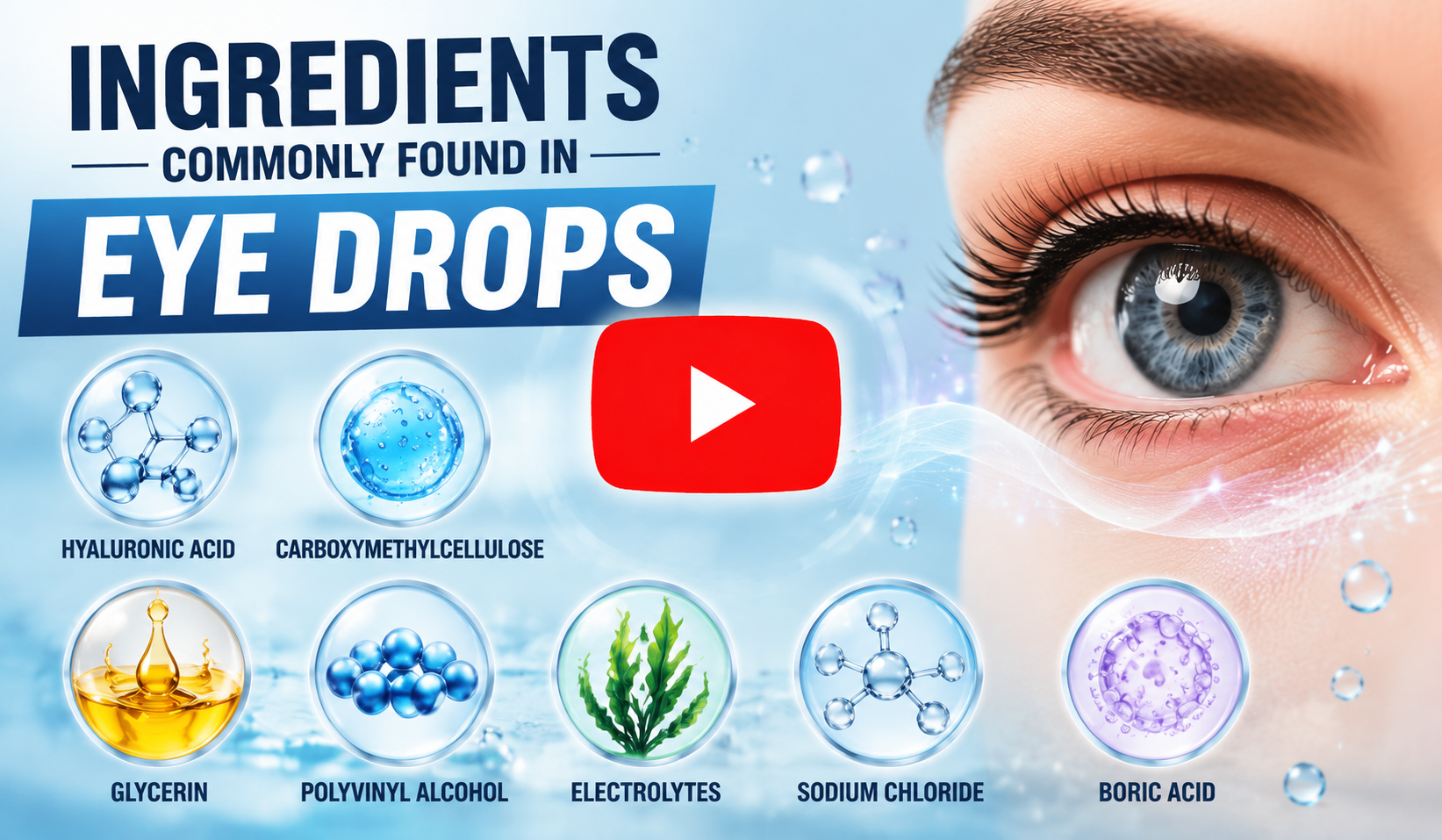
Ingredients Commonly Found in Eye Drops
Different eye drops contain different ingredients depending on their purpose.
Hyaluronic Acid
Hyaluronic acid is commonly used in some moisturizing eye drops because of its ability to attract and retain water.It may help provide longer-lasting hydration and improve the feeling of dryness.
Carboxymethylcellulose
This ingredient is frequently used in artificial tears. It helps create lubrication and may support smoother eye movement.
Glycerin
Glycerin is another moisturizing ingredient found in some eye drops. It helps maintain moisture on the eye surface.
Electrolytes
Some formulations include minerals and electrolytes designed to resemble components naturally found in tears. These ingredients may support overall eye surface comfort.
How to Choose the Best Eye Drops for Blurry Vision
Selecting the right eye drops requires understanding your symptoms.
Identify the Main Cause
Before choosing an eye drop, consider what is causing your blurry vision.
Ask yourself:
- Are my eyes dry?
- Do my eyes feel irritated?
- Do I spend many hours on screens?
- Are allergies affecting my eyes?
- Do I wear contact lenses?
The answer can help narrow down the most suitable type of product.
Consider Preservative-Free Options
If you use eye drops regularly, preservative-free options may be worth considering because they are often gentler for frequent application.
Check Compatibility With Contact Lenses
Not all eye drops are suitable for use with contact lenses. Always check product instructions before applying drops while wearing lenses.
Avoid Using Redness-Relief Drops Frequently
Some redness-reducing drops are designed for occasional cosmetic use. Frequent use may not address the underlying cause of eye discomfort.
For ongoing blurry vision concerns, moisturizing or condition-specific drops may be more appropriate.

Natural Ways to Support Clearer Vision
Eye drops can support comfort, but healthy daily habits also play an important role in maintaining eye wellness.
Stay Hydrated
Proper hydration supports overall body function, including tear production. Drinking enough water throughout the day may help support comfortable eyes.
Eat Eye-Friendly Foods
A balanced diet containing nutrients associated with eye health may support long-term wellness.
Common eye-supporting foods include:
- Leafy green vegetables
- Colorful fruits
- Fish rich in omega-3 fatty acids
- Nuts and seeds
- Eggs
Protect Eyes From Screens
Screen habits can influence eye comfort.
Helpful practices include:
- Taking regular breaks
- Adjusting screen brightness
- Maintaining proper distance
- Remembering to blink
Wear Protective Eyewear
Sunglasses that block harmful ultraviolet exposure may help protect the eyes during outdoor activities. Safety glasses may also be important during activities involving dust or particles.
When Should You See an Eye Professional?
While eye drops may help with temporary dryness or irritation, blurry vision can sometimes indicate a condition requiring professional evaluation.
Seek eye care if blurry vision:
- Appears suddenly
- Continues for a long period
- Gets worse over time
- Happens with eye pain
- Occurs with flashes or floaters
- Affects only one eye
Regular eye examinations can help identify vision changes early and support long-term eye health.
Persistent blurry vision should always be taken seriously.
Common Mistakes When Using Eye Drops
Using eye drops incorrectly may reduce their effectiveness.
Avoid these mistakes:
- Touching the Dropper Tip: Touching the bottle tip to your eye or hands may introduce unwanted contaminants.
- Using Expired Products: Always check expiration dates before using eye drops.
- Sharing Eye Drops: Eye drops should not be shared between individuals because this may increase the risk of contamination.
- Overusing Certain Formulas: More drops do not always mean better results. Follow product instructions carefully.
Final Thoughts
The best eye drops for blurry vision depend on what is causing your symptoms. For many people, temporary blurry vision is linked to dryness, irritation, screen use, or environmental factors, and the right type of eye drops may help improve comfort and visual clarity.
Artificial tears, preservative-free formulas, allergy drops, and contact lens solutions each serve different purposes. Understanding your eye needs is the first step toward choosing an appropriate option.
Along with using suitable eye drops, healthy lifestyle habits such as proper hydration, balanced nutrition, screen breaks, and regular eye examinations can support overall eye wellness. Healthy eyes require consistent daily care.
If blurry vision continues, changes suddenly, or occurs with other concerning symptoms, professional eye guidance is the safest approach.
References
.