Neuropathy is a condition associated with nerve discomfort that may affect different areas of the body, especially the hands, feet, arms, and legs.
Many people experiencing nerve-related sensations look for supportive lifestyle approaches that may complement their daily wellness routines.
Among these approaches, essential oils for neuropathy have gained attention because of their traditional use in aromatherapy, massage practices, and relaxation routines.
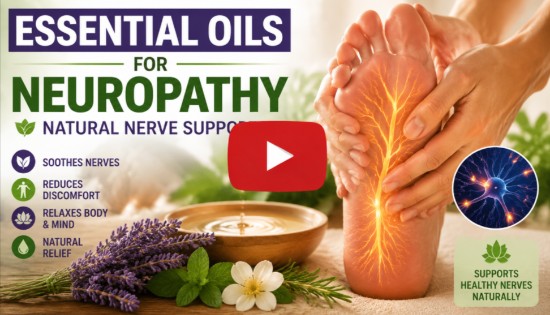

Essential Oils for Neuropathy may support relaxation, comfort, and wellness routines by providing soothing aromas and massage benefits for nerve health.
Essential oils are concentrated plant extracts that contain naturally occurring aromatic compounds. These oils have been used for centuries in various cultures to promote relaxation, comfort, and overall well-being.
While essential oils are not a replacement for professional medical care, many individuals incorporate them into self-care habits designed to support a balanced lifestyle.
Natural wellness routines often focus on comfort, relaxation, and healthy daily habits.
This guide explores how essential oils may fit into a neuropathy-supportive lifestyle, popular essential oils commonly used for relaxation and massage, safe application methods, and other wellness strategies that may help support overall nerve health.
Understanding Neuropathy and Nerve Health
The nervous system plays an important role in communication throughout the body. Nerves send signals between the brain, spinal cord, muscles, skin, and internal organs. When nerves become irritated or damaged, communication between these areas may be affected.
Neuropathy commonly involves changes in nerve sensations. Some individuals may experience feelings such as:
- Tingling sensations
- Occasional numbness
- Burning feelings
- Sensitivity to touch
- Discomfort in hands or feet
- Changes in normal sensation
Neuropathy can develop for many different reasons, including metabolic factors, nutritional concerns, certain medications, physical injuries, and other underlying conditions.
Supporting nerve wellness often involves a combination of healthy lifestyle habits, including balanced nutrition, regular movement, stress management, and appropriate healthcare guidance.
Healthy nerves depend on consistent care and overall body wellness.
Essential oils are often explored as one part of a broader self-care routine because of their calming properties and traditional uses.
What Are Essential Oils?
Essential oils are highly concentrated extracts obtained from plants, including flowers, leaves, roots, seeds, and fruits. These extracts capture aromatic compounds that give plants their unique scents and characteristics.
Common methods of using essential oils include:
- Aromatherapy through diffusion
- Diluted topical application
- Massage routines
- Relaxation practices
- Bath and wellness rituals
Unlike regular cooking oils, essential oils are extremely concentrated. A small amount contains many plant compounds, which is why proper dilution and careful use are important.
Many people use essential oils because they enjoy their natural aromas and the calming experience they provide. The connection between scent and emotions is a major reason aromatherapy has become popular in wellness routines.
The goal of essential oil use is usually comfort, relaxation, and self-care support.
How Essential Oils May Support Neuropathy Wellness
When people search for essential oils for neuropathy, they are often looking for ways to support relaxation and improve their comfort routine. Essential oils may provide benefits through several wellness pathways.
Supporting Relaxation
Living with ongoing nerve discomfort can sometimes affect relaxation and sleep quality. Certain essential oil aromas are commonly used in calming routines because they may help create a peaceful environment.
A relaxing atmosphere may support:
- Better bedtime routines
- Reduced daily stress
- Improved relaxation habits
- A sense of emotional balance
Stress management is an important part of overall wellness because stress can influence how the body responds to discomfort.
Massage and Comfort Practices
Massage is a common method people use with diluted essential oils. Gentle massage techniques may encourage relaxation and provide a comforting experience.
When essential oils are properly diluted with a carrier oil, they can become part of a soothing massage routine.
Massage-based wellness practices may support:
- Relaxed muscles
- Improved comfort
- Mind-body connection
- Self-care consistency
A simple wellness ritual can make daily self-care easier to maintain.
Creating a Relaxing Sensory Experience
Aromatherapy focuses on how scents influence mood and relaxation. Pleasant aromas may help create a calming environment, especially during evening routines.
Many people use essential oils during:
- Meditation
- Breathing exercises
- Yoga
- Rest periods
- Sleep preparation
These practices may contribute to a healthier lifestyle routine that supports overall wellness.
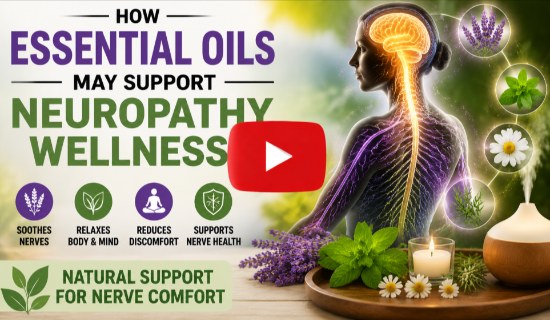
Popular Essential Oils for Neuropathy Support
Different essential oils are traditionally used for relaxation, massage, and wellness purposes. Below are some commonly used options.
Peppermint Essential Oil
Peppermint essential oil is one of the most recognized essential oils because of its refreshing and cooling aroma.
Many people enjoy peppermint oil in wellness routines because it provides a stimulating sensory experience. When properly diluted, it is often used in massage practices designed to promote a refreshing feeling.
Potential wellness uses include:
- Cooling sensation during massage
- Refreshing aromatherapy
- Relaxation support
- Comfort-focused routines
Peppermint oil should always be diluted before topical use because concentrated essential oils can be strong on the skin.
Lavender Essential Oil
Lavender essential oil is widely used in relaxation and aromatherapy practices. Its gentle floral scent makes it a popular choice for evening routines.
Lavender is commonly associated with:
- Calm environments
- Relaxation practices
- Sleep-supportive routines
- Stress management
Many people include lavender oil in their nighttime wellness habits because creating a peaceful environment may help improve relaxation.
Relaxation is an important part of a balanced wellness routine.
Eucalyptus Essential Oil
Eucalyptus essential oil has a fresh, herbal aroma and is commonly used in aromatherapy.
People often use eucalyptus oil to create an energizing environment. Its strong scent makes it popular in breathing and relaxation rituals.
Common uses include:
- Aromatherapy sessions
- Refreshing home environments
- Massage blends
- Relaxation practices
Proper dilution is especially important because eucalyptus oil has a powerful aroma.
Rosemary Essential Oil
Rosemary essential oil has a recognizable herbal scent and is often used in personal care and wellness routines.
It is traditionally included in massage blends and aromatherapy practices focused on refreshing and revitalizing experiences.
Potential uses include:
- Massage routines
- Scalp and body care
- Aromatherapy
- Wellness rituals
Frankincense Essential Oil
Frankincense essential oil has been valued for centuries for its calming aroma and traditional wellness applications.
Many people use frankincense oil during:
- Meditation
- Relaxation routines
- Aromatherapy sessions
- Personal wellness practices
Its warm scent makes it a popular choice for creating a peaceful environment.
Ginger Essential Oil
Ginger essential oil provides a warm, spicy aroma and is often used in massage and relaxation blends.
People may choose ginger oil because of its comforting scent and traditional use in warming wellness routines.
Common applications include:
- Diluted massage oils
- Aromatherapy blends
- Relaxation practices
How to Use Essential Oils Safely
Because essential oils are concentrated, proper use is important.
Always Dilute Essential Oils
Essential oils should generally be diluted with a carrier oil before applying them to the skin.
Common carrier oils include:
- Coconut oil
- Jojoba oil
- Almond oil
- Olive oil
Dilution helps reduce the intensity of essential oils and makes them more suitable for topical routines.
Perform a Patch Test
Before using a new essential oil, apply a small, diluted amount to a small area of skin to help determine how your skin responds.
Avoid applying essential oils to irritated or damaged skin.
Use Aromatherapy Methods
Diffusers are another popular way to enjoy essential oils.
Aromatherapy methods include:
- Diffusing oils in a room
- Adding aroma during relaxation periods
- Using scented personal care products
This approach allows people to enjoy essential oils without direct skin application.
Essential Oils and Massage for Neuropathy Comfort
Massage combined with essential oils is one of the most common ways people incorporate aromatherapy into wellness routines.
A gentle massage routine may help promote:
- Relaxation
- Comfort
- Body awareness
- Stress relief
When massaging areas affected by neuropathy, gentle techniques are recommended. Avoid excessive pressure, especially in areas where sensation may be reduced.
Comfort-focused care should always prioritize safety and awareness.

Lifestyle Habits That Support Nerve Wellness
Essential oils are only one part of a complete wellness approach. Supporting overall nerve health often includes several healthy lifestyle choices.
Balanced Nutrition
A nutrient-rich diet supports overall body function. Eating a variety of whole foods may help provide important nutrients needed for general wellness.
Healthy choices may include:
- Vegetables
- Fruits
- Lean proteins
- Whole grains
- Healthy fats
Regular Physical Activity
Movement supports circulation, flexibility, and overall wellness.
Activities such as:
- Walking
- Stretching
- Yoga
- Light exercise
may help maintain an active lifestyle.
Quality Sleep
Rest plays an important role in overall health. Creating a consistent sleep routine may support recovery and relaxation.
Helpful habits include:
- Maintaining a regular bedtime
- Reducing nighttime distractions
- Creating a comfortable sleep environment
Stress Management
Chronic stress may affect overall well-being. Relaxation practices can support emotional balance.
Popular stress-management activities include:
- Meditation
- Deep breathing
- Journaling
- Gentle movement
Things to Consider Before Using Essential Oils
Although essential oils are widely used in wellness routines, they are not suitable for everyone.
Consider these safety tips:
- Avoid using undiluted essential oils on skin
- Keep oils away from eyes
- Store oils safely
- Use caution if you have sensitive skin
- Follow proper application guidelines
Individuals with specific health concerns should discuss new wellness approaches with a healthcare professional.
Essential Oils vs Other Natural Wellness Approaches
Many people explore different natural wellness options alongside essential oils.
Other approaches may include:
- Nutritional support
- Exercise routines
- Relaxation techniques
- Massage therapy
- Healthy sleep habits
Each approach serves a different purpose. Essential oils are primarily used for sensory experiences, relaxation, and self-care rituals.
A complete wellness routine combines multiple healthy habits.
Final Thoughts on Essential Oils for Neuropathy
Essential oils for neuropathy are a popular topic among individuals interested in natural wellness and comfort-focused routines. Oils such as peppermint, lavender, eucalyptus, rosemary, frankincense, and ginger are commonly used in aromatherapy and massage practices.
While essential oils are not a cure for neuropathy, they may provide a calming and enjoyable addition to a healthy lifestyle routine. Their greatest value often comes from supporting relaxation, creating mindful self-care moments, and promoting overall wellness habits.
A balanced approach that includes proper nutrition, movement, stress management, and appropriate health guidance remains an important foundation for nerve wellness.
Small daily wellness habits can contribute to a healthier lifestyle.
References
https://www.healthline.com/health/peripheral-neuropathy
https://www.webmd.com/diabetes/essential-oils-neuropathy
https://pmc.ncbi.nlm.nih.gov/articles/PMC9323890/
.