Memory and cognitive health are important parts of overall wellness, especially as people get older. With growing interest in natural approaches, many people are searching for simple kitchen remedies that may support brain function.
One trend that has gained attention online is the “Honey Trick for Memory Loss.”
The idea behind this trend is simple: combining honey with certain ingredients and consuming it regularly may help support memory, focus, and mental clarity.
Because honey has been used traditionally for centuries, many people wonder whether this recipe is a legitimate wellness practice or just another internet claim.
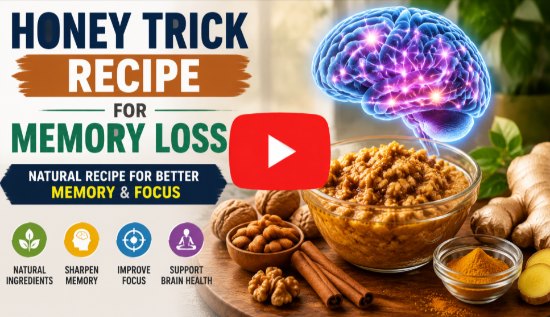

Honey Trick for Memory Loss is a popular natural wellness idea using honey-based recipes for brain support, but scientific evidence remains limited.
The answer is more balanced than a simple yes or no. Honey contains natural compounds that may support general health, including antioxidant activity, but there is currently limited scientific evidence proving that a specific honey recipe can reverse memory loss or treat cognitive conditions.
A honey recipe may support a healthy lifestyle, but it is not a replacement for medical care or proven memory support strategies.
This article explores what the honey trick is, how it is prepared, what science says about honey and brain health, possible benefits, limitations, safety considerations, and whether this popular memory recipe is worth trying.
What Is Honey Trick for Memory Loss?
The Honey Trick for Memory Loss is a popular natural wellness recipe that combines honey with other nutrient-rich ingredients to support overall brain health and cognitive wellness.
This trend has gained attention because honey contains natural compounds, antioxidants, and carbohydrates that may contribute to a healthy diet and provide energy for the body and brain.
Typically, the honey trick involves mixing a small amount of honey with ingredients such as cinnamon, walnuts, turmeric, ginger, or lemon. These combinations are often promoted as a simple daily habit that may help support focus, mental clarity, and healthy aging.
However, it is important to understand that the honey trick is not a medical treatment or a proven cure for memory loss. Memory changes can happen due to many factors, including aging, stress, sleep quality, lifestyle habits, and underlying health conditions.
A honey-based recipe may complement a healthy lifestyle, but it should be combined with proper nutrition, regular activity, quality sleep, and professional guidance when needed.
The Honey Trick for Memory Loss is best viewed as a supportive wellness habit, not a guaranteed memory solution.
How Does the Honey Trick for Memory Loss Work?
The honey trick works by providing the body with natural nutrients that may support general wellness and brain function. Honey contains natural sugars that provide a quick source of energy, which the brain uses continuously to perform important functions such as concentration, learning, and information processing.
Honey also contains plant-based compounds, including antioxidants, that may help protect cells from oxidative stress. Oxidative stress can affect many parts of the body, including the brain, so consuming antioxidant-containing foods may support overall cellular health.
When honey is combined with ingredients like walnuts, cinnamon, turmeric, or ginger, the recipe may provide additional nutrients associated with a balanced diet. For example, nuts provide healthy fats, while spices contain naturally occurring plant compounds that have been studied for their wellness properties.
The honey trick does not directly “repair” memory or reverse cognitive decline. Instead, it may work as part of a broader approach by encouraging healthier eating habits and providing nutritional support. Honey Trick Recipe for Memory Loss: How Is It Made?
There are many versions of the honey trick recipe online. A simple wellness-style recipe may involve combining honey with nutrient-rich ingredients commonly used in healthy diets.
Simple Honey Wellness Recipe
Ingredients:
- 1 teaspoon of raw honey
- A small amount of cinnamon
- A few crushed walnuts or almonds
- Optional: a small amount of turmeric or ginger
Preparation:
- Add honey to a small bowl.
- Mix in your preferred supporting ingredients.
- Consume as part of a balanced breakfast or morning routine.
Some people prefer adding honey to warm water or herbal tea instead.
The goal of this type of recipe is not to create a medicine but to include wholesome ingredients as part of daily nutrition.
A healthy routine matters more than a single “memory trick.”

Why Is Honey Associated With Brain Health?
Honey has been used traditionally as a natural food source for thousands of years. It contains natural sugars, small amounts of minerals, enzymes, and plant compounds.
The connection between honey and brain health is mainly related to its antioxidant properties and nutritional components.
Antioxidant Support
Honey contains naturally occurring antioxidants, including plant compounds called polyphenols. Antioxidants help protect cells from oxidative stress, which occurs when unstable molecules affect healthy cells.
The brain uses a large amount of energy compared with many other organs, which makes it naturally sensitive to oxidative stress.
Researchers have explored whether antioxidant-rich foods may contribute to healthier aging and overall cognitive wellness.
However, this does not mean honey directly prevents memory loss.
Antioxidant support is different from a proven memory treatment.
Can Honey Improve Memory?
The question many people ask is:
“Does the honey trick actually improve memory?”
Currently, there is not enough evidence to confirm that honey alone can improve memory or reverse cognitive decline.
Some research suggests that certain nutrients and dietary patterns may support brain health, but memory depends on many biological processes.
Honey may contribute to wellness by:
- Providing quick energy
- Adding antioxidants to the diet
- Replacing highly processed sweeteners
- Supporting a balanced eating pattern
However, memory improvement usually requires broader lifestyle habits.
Important factors that support cognitive wellness include:
- Regular exercise
- Quality sleep
- Learning activities
- Balanced nutrition
- Stress management
- Staying socially connected
Ingredients Commonly Added to Honey Memory Recipes
Many honey trick recipes include additional ingredients. These ingredients are often selected because they contain nutrients associated with general health.
Cinnamon
Cinnamon is a popular spice used in many traditional wellness recipes. It contains plant compounds that have antioxidant properties. Some studies have explored cinnamon’s relationship with metabolic health, but more research is needed to understand its direct effects on memory.
Walnuts
Walnuts are often included because they contain healthy fats, including omega-3 fatty acids. Healthy fats are important components of brain cell membranes and overall nutrition.
Turmeric
Turmeric contains curcumin, a compound studied for antioxidant and anti-inflammatory properties. Researchers continue exploring how turmeric compounds may relate to brain wellness.
Ginger
Ginger contains bioactive compounds that have been traditionally used for wellness purposes. It may complement a balanced diet when consumed appropriately.
Potential Benefits of the Honey Trick Recipe
Although the honey trick is not a proven treatment for memory loss, it may offer some general wellness benefits when included in a healthy lifestyle.
- Provides Natural Energy Support: Honey contains natural carbohydrates that can provide quick energy. Because the brain relies heavily on glucose for fuel, maintaining balanced energy levels is important.
- Supports Antioxidant Intake: Honey contributes naturally occurring plant compounds that may support the body’s antioxidant defenses.
- Encourages Healthier Eating Habits: Replacing highly processed snacks with simple whole-food combinations may improve overall diet quality.
- Creates a Consistent Wellness Routine: Having a morning nutrition habit can encourage people to pay more attention to their overall health.
Consistency with healthy habits is often more important than one specific ingredient.

Honey Trick for Memory Loss: Legit or Scam?
The popularity of the honey trick has caused many people to question whether it is legitimate.
The answer depends on what someone expects from it.
When It May Be Considered Legitimate
The honey trick can be considered a reasonable wellness habit if someone uses it as:
- A nutritious food combination
- Part of a balanced diet
- A simple morning routine
- A way to include antioxidant-rich foods
When It Becomes Misleading
The honey trick becomes problematic when claims suggest that it can:
- Cure dementia
- Reverse serious memory conditions
- Replace medication
- Guarantee improved memory
There is no strong scientific evidence supporting those claims.
A natural ingredient can support wellness without being a miracle cure.
Scientific Perspective on Honey and Cognitive Health
Scientists continue studying how nutrition affects brain aging and cognitive function.
Research suggests that diets rich in fruits, vegetables, healthy fats, and antioxidant-containing foods may be associated with better overall brain health.
Honey contains compounds that are interesting from a nutritional perspective, but more human research is needed to determine its specific role in memory support.
The brain benefits from a combination of nutrients rather than one isolated food.
A healthy cognitive-supporting diet often includes:
- Colorful fruits and vegetables
- Lean proteins
- Whole grains
- Healthy fats
- Adequate hydration
Honey may fit into this type of eating pattern but should not be viewed as a standalone solution.

Who May Consider Trying the Honey Trick?
A honey-based wellness recipe may be suitable for adults who:
- Enjoy natural food-based approaches
- Want to add variety to their diet
- Prefer simple nutrition habits
- Are looking for general wellness support
However, people with certain health concerns should speak with a healthcare professional before making dietary changes.
Extra caution may be needed for individuals who:
- Monitor blood sugar levels
- Have allergies to honey products
- Follow specific medical diets
Safety Considerations Before Using Honey Recipes
Honey is generally considered safe for many adults when consumed in moderation.
However, it is still a source of sugar.
Excessive consumption may contribute to:
- Increased calorie intake
- Blood sugar concerns
- Dental issues
Choosing a reasonable amount is important.
A teaspoon of honey in a balanced diet is very different from consuming large amounts throughout the day.
Natural does not always mean unlimited.
Other Natural Ways to Support Memory
If your goal is maintaining memory and cognitive wellness, consider combining healthy nutrition with other habits.
Stay Physically Active
Exercise supports circulation and overall health, which may benefit brain function.
Prioritize Sleep
Poor sleep can affect concentration, learning, and memory.
Keep Learning
Reading, puzzles, learning skills, and mentally engaging activities help keep the brain active.
Manage Stress
Long-term stress can affect concentration and mental clarity.
Eat a Balanced Diet
A variety of nutrient-rich foods provides the building blocks needed for overall wellness.
Final Verdict
The Honey Trick Recipe for Memory Loss is not a proven cure for memory problems, but it is not necessarily a scam when viewed correctly.
Honey contains natural compounds that may contribute to a healthy diet, and combining it with nutrient-rich foods can create a wholesome wellness habit.
However, claims that a honey recipe can completely restore memory or treat serious cognitive conditions are not supported by strong scientific evidence.
The honey trick may be a supportive lifestyle choice, but healthy habits remain the real foundation of memory wellness.
For anyone experiencing noticeable memory changes, consulting a healthcare professional is the best step to understand possible causes and appropriate support options.
References
https://en.wikipedia.org/wiki/Brain
https://www.mayoclinic.org/diseases-conditions/alzheimers-disease/in-depth/memory-loss/art-20046326
https://www.webmd.com/brain/default.htm
.