Neuropathy is a condition that affects the peripheral nerves, which carry messages between the brain, spinal cord, and different areas of the body.
When these nerves become damaged or irritated, people may experience symptoms such as numbness, tingling, burning sensations, weakness, sensitivity, balance difficulties, or discomfort in the hands and feet.
Vibration plate for neuropathy has gained attention as a potential supportive approach for improving muscle activation, balance, circulation, and sensory stimulation.
Whole-body vibration devices create controlled mechanical vibrations that pass through the body while a person stands or performs gentle exercises on the platform.
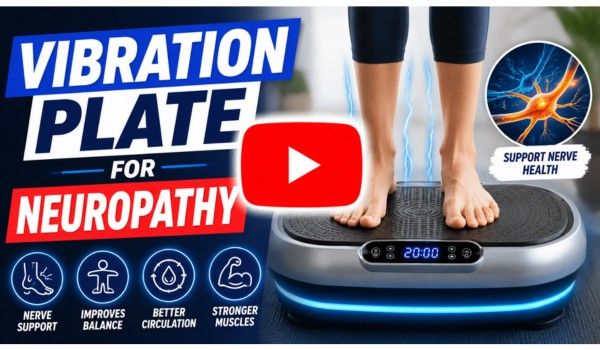

This article explains how vibration plates work, their possible benefits, safety considerations, and how they may fit into a healthy neuropathy management routine.
What is Neuropathy?
Neuropathy refers to damage or dysfunction of the peripheral nerves. These nerves connect the central nervous system to muscles, skin, and internal organs, helping control movement, sensation, and certain body functions.
When nerves do not function properly, communication between the brain and body can become disrupted. Depending on the type and severity of neuropathy, symptoms can range from mild discomfort to significant challenges affecting daily activities.
Common Symptoms of Neuropathy
People with neuropathy may experience:
- Tingling or “pins and needles” sensations
- Burning or sharp nerve discomfort
- Numbness in hands or feet
- Increased sensitivity to touch
- Muscle weakness
- Difficulty maintaining balance
- Reduced ability to feel temperature changes
- Foot discomfort or sensitivity
Peripheral neuropathy commonly affects the feet and legs first because the longest nerves in the body are often more vulnerable to damage.
What Causes Neuropathy?
Neuropathy can develop from many different causes. Understanding the underlying cause is important because treatment approaches may vary.
Diabetic Neuropathy
Diabetes is one of the most common causes of peripheral neuropathy. Long-term elevated blood sugar levels may contribute to nerve damage and reduced circulation, especially in the lower limbs.
Chemotherapy-Related Neuropathy
Some chemotherapy medications can affect nerve function, leading to numbness, tingling, or discomfort in the hands and feet.
Vitamin Deficiencies
Certain nutritional deficiencies, including inadequate levels of specific B vitamins, may contribute to nerve problems.
Physical Injury
Trauma, pressure on nerves, or repeated stress can sometimes result in nerve irritation or damage.
Other Health Conditions
Additional causes may include autoimmune disorders, kidney disease, infections, alcohol-related nerve damage, and certain inherited conditions.
What is a Vibration Plate?
A vibration plate is a fitness and therapy device designed to produce rapid mechanical vibrations. When a person stands on the platform, the vibrations travel through the body and cause muscles to contract and relax repeatedly.
Unlike traditional exercise, where muscles are activated through voluntary movement, vibration therapy creates additional stimulation through mechanical movement.
There are different types of vibration platforms, including:
Whole Body Vibration Platforms
These larger devices create vibrations throughout the body and are commonly used in fitness centers, rehabilitation clinics, and home wellness routines.
Oscillating Vibration Plates
These platforms move in a side-to-side motion that may create a more gentle rocking effect.
Vertical Vibration Platforms
These create up-and-down movements designed to stimulate muscles and sensory receptors.
How Does a Vibration Plate Work For Neuropathy?
A vibration plate does not directly repair damaged nerves, but it may provide supportive effects through several possible mechanisms.
Stimulating Sensory Receptors
The skin, muscles, and joints contain sensory receptors that help the body understand movement and position. Mechanical vibration may stimulate these receptors and encourage sensory input from affected areas.
For individuals experiencing reduced sensation, this type of stimulation may support awareness of body position and movement.
Supporting Blood Flow
Healthy circulation is important for delivering oxygen and nutrients throughout the body. Vibration-induced muscle contractions may encourage blood movement through the muscles and surrounding tissues.
Improved circulation may support overall tissue health, although vibration therapy should not be considered a replacement for medical treatment.
Activating Muscles
Neuropathy can sometimes contribute to muscle weakness and reduced activity levels. The repeated muscle contractions caused by vibration may help activate muscles with minimal movement. This may be useful for individuals who find traditional exercise challenging.
Improving Balance And Stability
Nerve problems affecting the feet can interfere with balance and coordination. Vibration therapy may stimulate muscles involved in posture control and movement awareness.
Some studies investigating whole-body vibration in diabetic neuropathy have reported improvements in balance-related measures and quality-of-life outcomes.
Potential Benefits Of Using A Vibration Plate For Neuropathy
- Better Balance Support: May help improve stability and body awareness by stimulating muscles and sensory pathways.
- Muscle Activation: Vibration therapy may encourage gentle muscle contractions and support movement in daily activities.
- Circulation Support: May promote healthy blood flow by activating muscles during vibration sessions.
- Discomfort Management: May help reduce some neuropathy-related discomfort by stimulating sensory responses.
- Improved Mobility: Can support flexibility, movement, and confidence during physical activities.
- Exercise Support: Provides a low-impact way to stay active for people with movement challenges.
What Does Research Say About Vibration Plates And Neuropathy?
Scientific interest in whole-body vibration for neuropathy has increased, especially for diabetic peripheral neuropathy.
A systematic review evaluated available studies on whole-body vibration in people with diabetic peripheral neuropathy and noted that vibration therapy shows potential benefits, although more high-quality research is needed to confirm its effectiveness.
Another clinical study found that whole-body vibration sessions were associated with improvements in pain and certain functional measures among individuals with painful diabetic peripheral neuropathy.
Current evidence suggests vibration therapy may be a supportive tool rather than a standalone treatment.
More research is needed to determine:
- The ideal vibration settings
- Best treatment duration
- Long-term effects
- Which types of neuropathy respond best
How To Use A Vibration Plate for Neuropathy Safely
Using a vibration plate correctly is important, especially for people who experience reduced sensation, balance issues, or nerve-related discomfort. The goal is to introduce gentle stimulation without creating unnecessary stress on the body.
Before starting vibration therapy, individuals with neuropathy should consider discussing it with a healthcare professional, particularly if they have diabetes, circulation problems, severe numbness, foot injuries, or other medical conditions.
A basic vibration plate routine usually begins with low intensity and short sessions. The body can gradually adjust as comfort and tolerance improve.
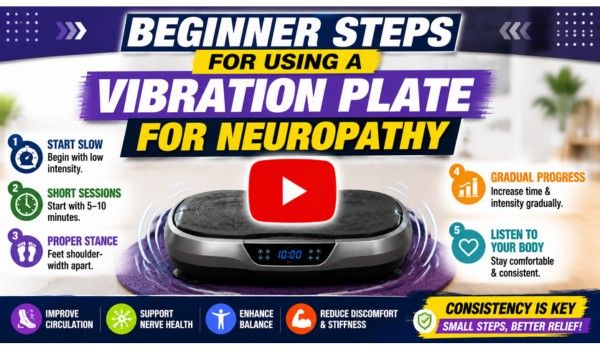
Beginner Steps For Using A Vibration Plate For Neuropathy
Step 1: Choose A Safe Location
Place the vibration plate on a flat surface and keep a stable support nearby if needed.
Step 2: Start With Low Settings
Begin with the lowest vibration level to allow your body to adjust comfortably.
Step 3: Stand In The Correct Position
Place your feet shoulder-width apart and keep your knees slightly bent.
Step 4: Hold Support For Balance
Use handles or a chair for extra stability, especially if you have numbness or balance issues.
Step 5: Begin With Short Sessions
Start with 5–10 minutes and slowly increase the duration as your body adapts.
Step 6: Add Gentle Exercises
Try simple movements like light squats, heel raises, or stretching while using the plate.
Step 7: Monitor Your Response
Pay attention to any discomfort, increased tingling, dizziness, or unusual sensations.
Step 8: Increase Gradually
Slowly adjust vibration intensity and session time based on your comfort level.
Step 9: Stay Consistent
Use the vibration plate regularly as part of a balanced wellness routine.
Step 10: Ask For Medical Advice
Consult a healthcare professional before use if you have severe neuropathy or other health concerns.
Best Vibration Plate Exercises For Neuropathy Support
A vibration plate can be combined with simple exercises that focus on mobility, strength, and balance.
1. Supported Standing Exercise
This is one of the easiest exercises for beginners.
How to perform:
- Stand comfortably on the vibration plate
- Hold a stable surface if needed
- Keep your feet flat
- Maintain the position for several minutes
This may help stimulate muscles and improve body awareness.
2. Gentle Squats
Squats activate muscles in the legs and hips.
How to perform:
- Stand on the vibration platform
- Slowly bend your knees
- Lower your body slightly
- Return to the standing position
Avoid deep squats if you have joint pain or weakness.
3. Heel Raises
Heel raises focus on the calf muscles, which play an important role in walking and circulation.
How to perform:
- Stand upright
- Slowly lift your heels
- Hold briefly
- Lower your heels back down
This exercise may support lower-leg strength.
4. Balance Training
Balance exercises may be helpful because neuropathy can affect stability.
Examples:
- Standing with feet closer together
- Shifting weight slowly
- Practicing controlled movements
Always use support when necessary.
5. Stretching Exercises
Gentle stretching after vibration therapy may help improve flexibility and relaxation.
Common stretches include:
- Calf stretches
- Hamstring stretches
- Ankle movements
How Long Should You Use A Vibration Plate For Neuropathy?
The recommended time for using a vibration plate for neuropathy can vary depending on your comfort level, health condition, and experience. Beginners often start with short sessions of 5–10 minutes at a low intensity and gradually increase the duration as their body adjusts.
Many people use vibration plates 2–3 times per week as part of a supportive wellness routine. Longer sessions or higher intensity levels are not always better, so it is important to focus on safe, consistent use and stop if you experience pain, dizziness, or increased discomfort.
Beginner Duration: Start with 5–10 minutes per session to help your body adapt.
Regular Use: Gradually increase sessions up to 10–15 minutes based on comfort.
Avoid Overuse: Too much vibration may cause muscle fatigue or discomfort.
Listen To Your Body: Adjust the time and intensity depending on how your body responds.
Follow Professional Advice: People with severe neuropathy or medical conditions should consult a healthcare provider before use.
Possible Side Effects Of Using A Vibration Plate
Although many people tolerate vibration therapy well, some individuals may experience side effects.
Increased Discomfort
Some people with neuropathy may notice increased tingling, sensitivity, or discomfort during or after vibration sessions.
Dizziness Or Lightheadedness
The vibration movement may cause temporary dizziness, especially for beginners or people with balance problems.
Balance Challenges
Individuals with reduced sensation may feel unstable and should use support while standing on the vibration plate.
Joint Stress
High-intensity settings may place extra stress on joints, especially in people with existing joint concerns.
Skin Sensitivity
Some users may experience mild irritation or unusual sensations due to repeated vibration exposure.
Overstimulation Of Nerves
People with sensitive nerves may find strong vibrations uncomfortable and should use lower settings.
Increased Fatigue
Long or intense sessions may leave the body feeling tired instead of refreshed.
Who Should Avoid Using A Vibration Plate?
- People With Severe Neuropathy: May have reduced sensation and may not notice discomfort or possible injuries during use.
- Individuals With Open Foot Wounds: Should avoid vibration plates if they have ulcers, wounds, or infections until medically approved.
- People With Serious Balance Issues: May have a higher risk of falls and should use caution with vibration therapy.
- Individuals Recovering From Surgery: Should consult a healthcare professional before using a vibration plate.
- People With Certain Heart Conditions: Should seek medical advice before starting vibration therapy.
- Pregnant Individuals: Should ask a healthcare provider before using a vibration plate.
- People With Severe Joint Or Bone Problems: May need professional guidance before using vibration devices.
- Anyone Experiencing Increased Symptoms: Should stop use if they notice more pain, dizziness, numbness, or discomfort.
Vibration Plate For Diabetic Neuropathy
Diabetic neuropathy is a common complication of diabetes that affects the nerves, especially in the feet and legs. A vibration plate for diabetic neuropathy may provide supportive benefits by encouraging muscle activation, improving balance, and promoting movement.
While it cannot repair damaged nerves or replace medical treatment, vibration therapy may help some individuals manage physical challenges associated with neuropathy.
- Supports Muscle Activation: Vibration therapy may stimulate muscles in the legs and feet, helping support strength and mobility.
- May Improve Balance: Regular use may help improve body awareness and stability, which can be challenging for people with diabetic neuropathy.
- Encourages Movement: A vibration plate provides a low-impact way to stay active for individuals who may struggle with traditional exercises.
- Supports Circulation: The repeated muscle contractions during vibration sessions may help encourage healthy blood flow in the lower body.
- May Reduce Discomfort: Some people may experience temporary relief from certain neuropathy-related discomfort through sensory stimulation.
- Helps Maintain Physical Function: Combining vibration therapy with exercise and healthy habits may support overall mobility and daily activities.
- Promotes Exercise Confidence: Gentle vibration exercises may help individuals feel more comfortable participating in movement routines.
- Requires Proper Safety: People with diabetes should monitor foot health carefully and consult a healthcare professional before starting vibration therapy, especially if they have severe numbness, wounds, or circulation problems.
Vibration Plate Compared With Other Neuropathy Support Options
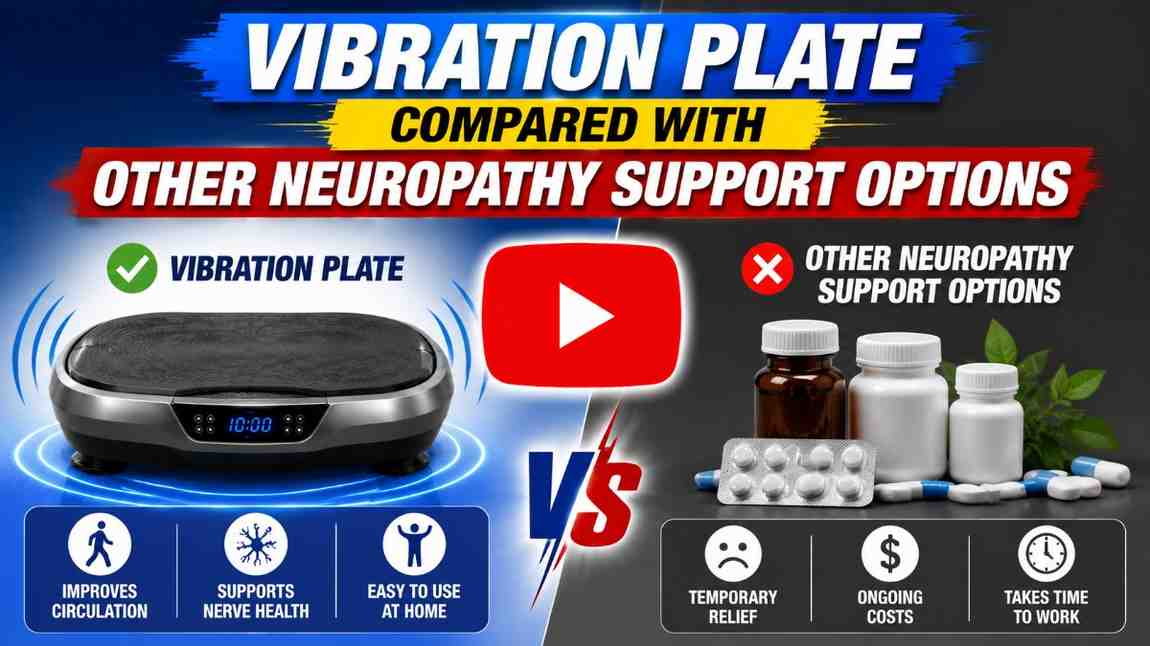
| Approach | Potential Benefits | Considerations |
| Vibration Plate | May support balance, muscle activation, and circulation | More research is needed |
| Physical Therapy | Improves strength, mobility, and function | Requires professional guidance |
| Walking Exercise | Supports circulation and overall fitness | May be challenging with severe symptoms |
| Massage Therapy | May provide relaxation and temporary comfort | Does not repair nerve damage |
| Stretching | Supports flexibility and movement | Works best as part of a routine |
Lifestyle Habits That Support Neuropathy Health
A vibration plate works best when combined with healthy daily habits.
Maintain Healthy Blood Sugar Levels
For people with diabetes, managing blood glucose levels is important for reducing the risk of further nerve damage.
Eat A Balanced Diet
Nutrient-rich foods may support overall nerve function.
Helpful foods may include:
- Vegetables
- Fruits
- Lean proteins
- Whole grains
- Healthy fats
Stay Physically Active
Regular movement supports circulation, muscle strength, and overall wellness.
Practice Proper Foot Care
People with neuropathy should regularly check their feet for:
- Cuts
- Blisters
- Skin changes
- Irritation
Early attention can help prevent complications.
Can A Vibration Plate Reverse Neuropathy?
- May Support Nerve Stimulation: Vibrations can activate sensory receptors and provide additional stimulation to the muscles and nervous system.
- May Improve Balance: Regular use may help strengthen muscles and improve body awareness, which can support stability.
- May Encourage Movement: A vibration plate can provide a gentle exercise option for people who find traditional workouts difficult.
- May Support Symptom Management: Some individuals may experience improvements in discomfort, flexibility, or mobility, but results can vary.
- Works Best With Other Approaches: Combining vibration therapy with healthy lifestyle habits, proper nutrition, exercise, and medical care may provide better support.
- Not A Replacement For Treatment: Vibration plates should be considered a complementary tool and not a substitute for prescribed neuropathy treatments.
Tips For Choosing A Vibration Plate For Neuropathy
When selecting a vibration plate, consider:
Adjustable Intensity Levels
A device with multiple settings allows users to start gently and increase gradually.
Stability Features
A stable platform and safety handles may be beneficial for individuals with balance concerns.
Comfortable Surface
A non-slip surface can provide additional safety.
User-Friendly Controls
Simple controls make it easier to adjust settings during use.
Final Thoughts
A vibration plate for neuropathy may be a helpful supportive tool for improving muscle activation, balance, mobility, and overall physical function.
While it cannot reverse nerve damage or cure neuropathy, whole-body vibration therapy may help some individuals manage certain challenges associated with nerve-related conditions when used safely and consistently.
Using a vibration plate with proper settings, gentle exercises, and guidance from a healthcare professional may provide additional support for people experiencing neuropathy symptoms.
Combining vibration therapy with healthy lifestyle habits, regular movement, balanced nutrition, proper foot care, and medical treatment can create a more complete approach to supporting nerve health and daily wellness.
References
https://en.wikipedia.org/wiki/Peripheral_neuropathy