Stem Cell Therapy For Neuropathy may support nerve repair and symptom relief. Learn about benefits, risks, procedures, and research findings.
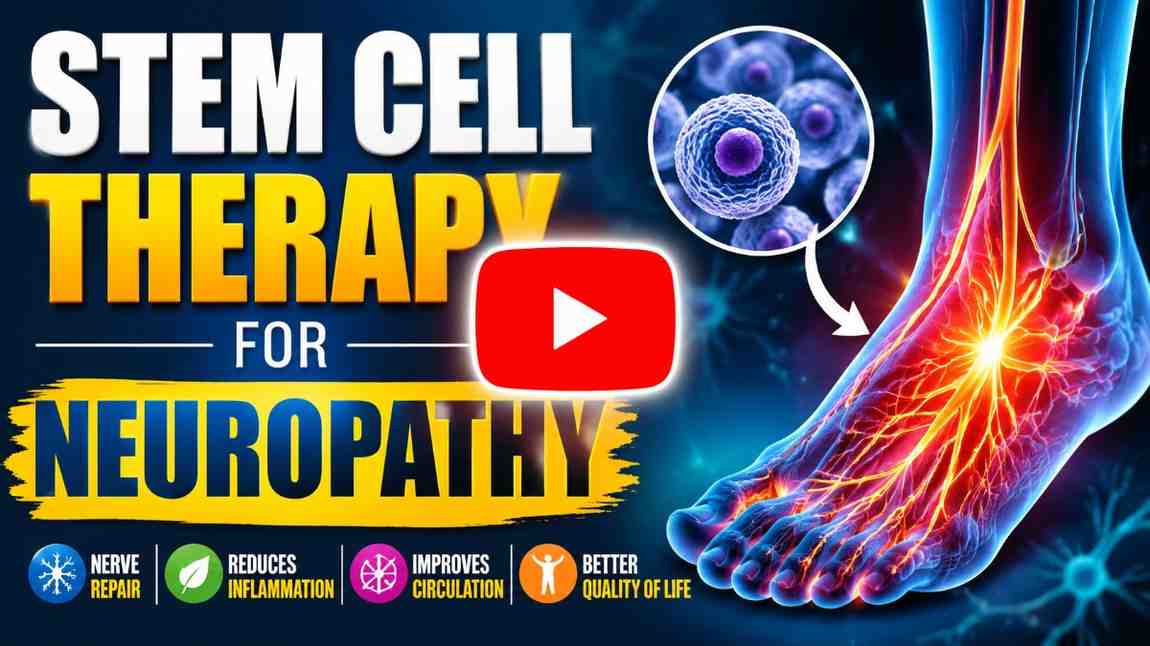

Stem Cell Therapy For Neuropathy explores how regenerative medicine may support nerve health, reduce symptoms, and promote natural healing. Learn about benefits, risks, and treatment options.
Discover how stem cell therapy works for neuropathy, including its potential role in nerve repair, inflammation support, and improving overall nerve function.
What is Stem Cell Therapy For Neuropathy?
Stem cell therapy is a regenerative medicine approach that uses specialized cells to support the repair and restoration of damaged tissues.
Unlike conventional treatments that mainly manage symptoms, stem cell therapies are designed to target biological processes involved in healing and regeneration.
For neuropathy, stem cell therapy focuses on the possibility of improving damaged peripheral nerves.
Peripheral nerves can become injured due to high blood sugar levels, physical trauma, inflammation, reduced blood supply, or toxic effects from certain medications.
Stem cells may help by releasing growth factors, supporting nerve cell communication, reducing inflammatory activity, and improving the environment around damaged nerves.
Researchers are especially interested in mesenchymal stem cells because of their ability to interact with surrounding tissues and support repair processes.
How Does Stem Cell Therapy Work For Neuropathy?
Stem cell therapy for neuropathy works by using regenerative cells to support the body’s natural healing processes.
Stem cells may help create a healthier environment around damaged nerves by releasing growth factors, reducing inflammation, and supporting tissue repair.
These actions may encourage nerve regeneration and improve communication between nerves and the brain.
During treatment, stem cells may be collected from sources such as bone marrow, fat tissue, or donated tissues, then prepared and introduced into the body through methods like injections or intravenous therapy.
Researchers are studying how these cells may help protect nerve fibers, improve blood flow, and support nerve function.
While early studies show promising results, more research is needed to confirm long-term effectiveness and determine the best treatment approach for neuropathy.
Types Of Stem Cells Used For Neuropathy Treatment
Different types of stem cells are being researched for their potential role in nerve repair. Each type has unique properties and possible applications.
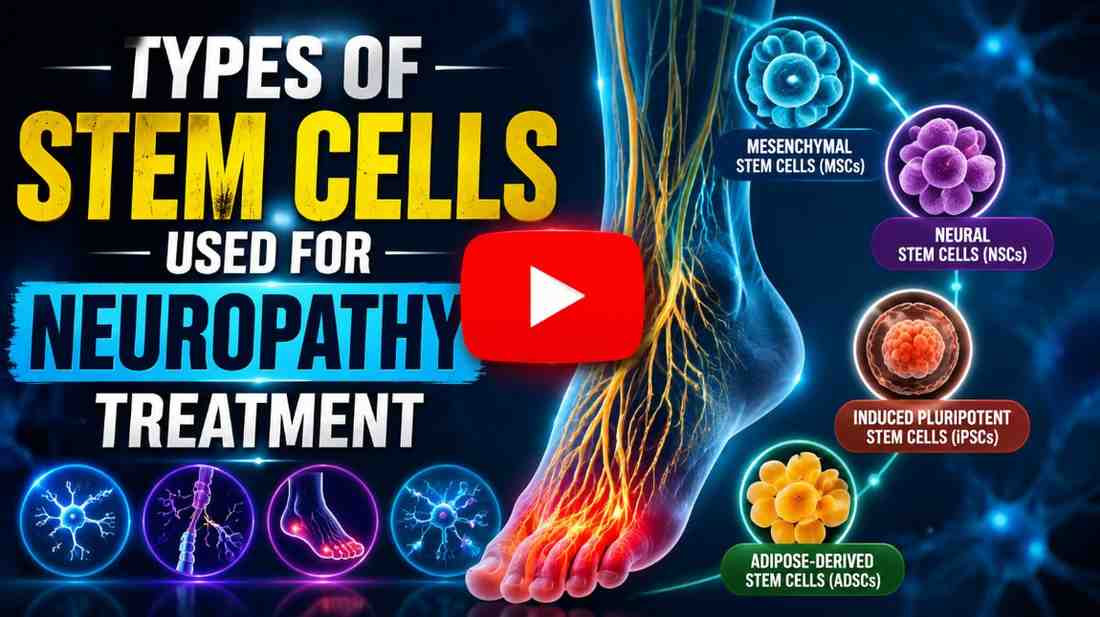
Mesenchymal Stem Cells (MSCs)
Mesenchymal stem cells are among the most commonly studied stem cells for neuropathy. They can be obtained from sources such as bone marrow, adipose (fat) tissue, and umbilical cord tissue.
MSCs are being researched because they may:
- Support tissue repair
- Release growth factors
- Reduce inflammation
- Support nerve regeneration
Studies suggest MSC-based approaches may have potential for peripheral nerve injuries and neuropathic pain, but researchers continue to evaluate the best methods, dosage, and delivery approaches.
Bone Marrow-Derived Stem Cells
Bone marrow-derived stem cells are collected from the patient’s own bone marrow. These cells have been studied for their regenerative properties.
Researchers have explored their ability to support nerve healing, especially in diabetic neuropathy and peripheral nerve injuries.
The advantage of using a patient’s own cells is that immune rejection risks may be lower, although the procedure requires collection.
Adipose-Derived Stem Cells
Adipose-derived stem cells come from fat tissue. They have gained interest because fat tissue can contain a large number of regenerative cells.
Studies suggest these cells may help support nerve regeneration through anti-inflammatory effects and the release of healing-related molecules.
Umbilical Cord-Derived Stem Cells
Umbilical cord-derived stem cells are collected from donated umbilical tissue after birth.
These cells are being investigated because they have strong regenerative properties and may provide benefits without requiring collection from the patient.
Clinical research is ongoing to evaluate their safety and effectiveness for diabetic neuropathy and other nerve conditions.
Potential Benefits Of Stem Cell Therapy For Neuropathy
- Supports Nerve Repair: May help encourage natural nerve healing by supporting damaged nerve tissues and regeneration processes.
- Reduces Inflammation: May help control inflammation around nerves and support a healthier nerve environment.
- Improves Nerve Function: May support better nerve communication, sensation, and overall nerve performance.
- Supports Blood Flow: May promote healthy circulation to deliver oxygen and nutrients to nerve tissues.
- Helps Manage Symptoms: May support relief from neuropathy-related discomfort, tingling, and numbness.
Stem Cell Therapy Procedure For Neuropathy
Initial Evaluation
Doctors review medical history, symptoms, and nerve damage to determine if stem cell therapy may be suitable.
Stem Cell Collection
Stem cells may be collected from sources like bone marrow, fat tissue, or donated tissues depending on the treatment approach.
Cell Preparation
Collected stem cells are processed and prepared in a laboratory before being used for treatment.
Stem Cell Administration
Prepared stem cells may be delivered through injections or intravenous therapy to support nerve repair.
Recovery & Monitoring
Patients are monitored after treatment to evaluate changes in symptoms, nerve function, and overall progress.
Stem Cell Collection And Preparation
- Stem Cell Collection: Stem cells may be collected from bone marrow, fat tissue, or donated sources depending on the treatment method and research approach.
- Tissue Processing: Collected samples are processed in a laboratory to separate and prepare the regenerative cells for use.
- Cell Quality Testing: Stem cells are evaluated for quality, safety, and suitability before being used in treatment.
- Treatment Preparation: Prepared stem cells are stored and delivered according to medical protocols before administration.
- Stem Cell Administration: The processed cells may be introduced through injections or intravenous methods to support nerve repair and healing.
How Are Stem Cells Delivered For Neuropathy?
Intravenous (IV) Therapy
Stem cells may be delivered through an IV infusion, allowing them to circulate throughout the body and support natural healing processes.
Local Injections
Stem cells may be injected near damaged nerves to provide targeted support and encourage tissue repair.
Targeted Treatment Areas
Doctors may choose delivery methods based on the location and severity of nerve damage.
Monitoring After Treatment
Patients are monitored after administration to evaluate safety, symptom changes, and overall progress.
How Long Does Stem Cell Therapy Take To Work For Neuropathy?
Some people may notice changes within weeks or months, while others may require longer periods before experiencing improvements.
Factors that may influence results include:
- Severity of nerve damage
- Cause of neuropathy
- Age and overall health
- Type of stem cells used
- Treatment protocol
- Lifestyle habits
Stem cell therapy does not provide instant nerve repair. Nerve regeneration is generally a slow process because damaged nerves require time to recover and rebuild connections.
Potential Results Of Stem Cell Therapy For Neuropathy
- Improved Nerve Function: May support healthier nerve communication and improve sensation, movement, and daily activities.
- Reduced Nerve Discomfort: May help manage neuropathy symptoms such as tingling, burning sensations, and numbness.
- Better Sensory Support: May encourage improved nerve signaling and support normal sensory responses.
- Enhanced Healing Process: May help the body’s natural repair mechanisms by supporting damaged nerve tissues.
- Improved Quality Of Life: Potential symptom improvements may help individuals perform daily tasks more comfortably.
Risks And Side Effects Of Stem Cell Therapy
Infection Risk
Procedures involving injections or cell collection may carry a risk of infection if proper medical standards are not followed.
Immune Reactions
Donor-derived stem cells may cause immune responses in some individuals, depending on compatibility and treatment type.
Treatment Quality Concerns
The safety and effectiveness of stem cell therapy may vary based on the provider, laboratory standards, and treatment methods.
Unknown Long-Term Effects
More research is needed to understand the long-term safety and possible effects of stem cell treatments.
Cost And Accessibility
Stem cell therapy can be expensive, and many treatments may not be covered by insurance.
Limitations Of Stem Cell Therapy For Neuropathy
Not A Guaranteed Cure
Stem cell therapy may support nerve health, but it cannot guarantee complete reversal of neuropathy symptoms.
Limited Research
More large-scale human studies are needed to confirm long-term effectiveness and safety.
Results May Vary
Treatment outcomes can depend on the cause of neuropathy, severity of nerve damage, and individual health factors.
High Treatment Costs
Stem cell therapy can be expensive, and many insurance plans may not cover these procedures.
Availability Concerns
Access to qualified providers and approved treatments may be limited in some locations.
Stem Cell Therapy Compared With Traditional Neuropathy Treatments
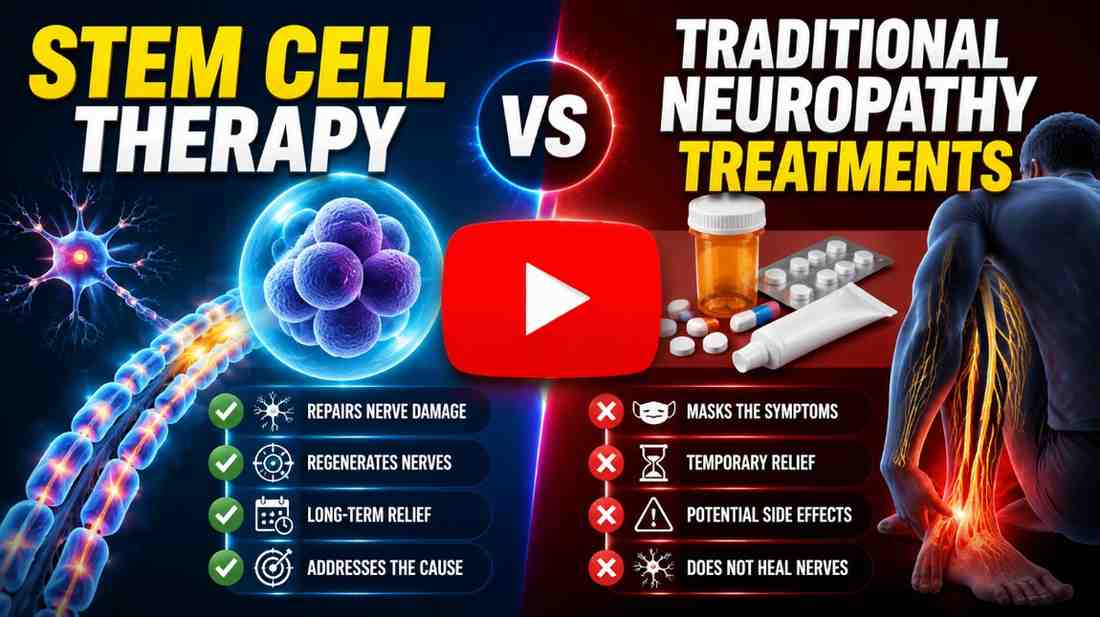
| Stem Cell Therapy | Traditional Neuropathy Treatments |
| Focuses on supporting regeneration and repair | Mainly focuses on symptom management |
| Uses regenerative cells and biological signals | Uses medications, therapies, and lifestyle approaches |
| Research is still developing | Many treatments have established clinical use |
| May target underlying nerve damage | Often targets pain relief and symptom control |
| Long-term effectiveness is still being studied | Benefits and limitations are better understood |
Who May Consider Stem Cell Therapy For Neuropathy?
Stem cell therapy may be considered by individuals who:
✓ Have persistent neuropathy symptoms despite standard approaches
✓ Have discussed treatment options with a qualified healthcare provider
✓ Understand that results may vary
✓ Are interested in emerging regenerative medicine options
Who Should Avoid Stem Cell Therapy?
Stem cell therapy may not be appropriate for everyone.
- Active infections
- Certain cancers
- Severe immune system disorders
- Uncontrolled medical conditions
- Pregnancy-related concerns
A complete health evaluation can help determine whether the treatment is appropriate.
Lifestyle Habits That May Support Neuropathy Health
Maintain Healthy Blood Sugar Levels
Keeping blood sugar within a healthy range may help protect nerves and reduce the risk of further damage.
Eat A Balanced Diet
A nutrient-rich diet with vitamins, minerals, antioxidants, and healthy fats may support overall nerve function.
Exercise Regularly
Low-impact activities like walking and stretching may improve circulation, mobility, and muscle strength.
Stay Hydrated
Proper hydration supports normal body functions and may help maintain healthy nerve activity.
Avoid Smoking And Excess Alcohol
Reducing smoking and excessive alcohol intake may support better circulation and overall nerve health.
Get Quality Sleep
Adequate sleep may help the body recover, manage stress, and support overall wellness.
Stem Cell Therapy For Diabetic Neuropathy
Diabetic neuropathy is one of the most common forms of peripheral neuropathy. It occurs when prolonged high blood sugar levels damage nerves throughout the body, especially those in the feet and hands.
Over time, elevated glucose levels can contribute to inflammation, oxidative stress, and reduced blood circulation, which may interfere with normal nerve function.
Because diabetic neuropathy involves both nerve damage and metabolic factors, researchers are exploring whether stem cell therapy may help support nerve repair while improving the surrounding environment where nerves function.
Studies involving mesenchymal stem cells have shown potential benefits in diabetic neuropathy models, including reducing inflammation, supporting blood vessel formation, and encouraging nerve regeneration.
How Stem Cells May Support Diabetic Nerve Health
Supports Nerve Regeneration
Stem cells may help damaged nerves by releasing growth factors that support repair and healthy nerve function.
Reduces Nerve Inflammation
Stem cells may help regulate inflammation around nerves, creating a better environment for nerve recovery.
Improves Blood Flow Support
Stem cells may encourage healthy circulation, helping deliver oxygen and nutrients to damaged nerve tissues.
Protects Nerve Cells
Stem cells may help protect nerve cells from further damage caused by oxidative stress and high blood sugar levels.
Supports Better Nerve Communication
By promoting nerve health, stem cells may help improve signal transmission between nerves and the body.
Stem Cell Therapy Compared With Other Regenerative Approaches
| Approach | Main Focus | Current Research Status |
| Stem Cell Therapy | Uses regenerative cells to support tissue repair and healing signals | Early clinical research |
| Platelet-Rich Plasma (PRP) Therapy | Uses concentrated platelets and growth factors from blood | Used in some tissue healing applications |
| Peptide Therapy | Uses signaling molecules that may influence biological processes | Research continues for various health areas |
| Physical Rehabilitation | Supports strength, movement, and nerve function | Established supportive approach |
Each approach has different mechanisms, potential benefits, and limitations. The best option depends on the individual’s condition, health history, and treatment goals.
Is Stem Cell Therapy A Cure For Neuropathy?
Currently, stem cell therapy is not considered a guaranteed cure for neuropathy.
While regenerative medicine has shown promising results in laboratory studies and early clinical research, neuropathy is a complex condition with many causes.
Successful management often requires addressing the underlying cause, such as:
- Improving blood sugar control
- Correcting nutritional deficiencies
- Managing inflammation
- Protecting nerve function
- Maintaining a healthy lifestyle
Stem cell therapy may become an important option in future neuropathy treatment, but more research is needed before it can be considered a standard cure.
Final Thoughts
Stem cell therapy for neuropathy represents an exciting area of regenerative medicine focused on supporting nerve repair and improving nerve health.
Unlike traditional treatments that mainly focus on managing symptoms, stem cell approaches aim to support the body’s natural healing processes.
Research suggests that stem cells may help reduce inflammation, encourage nerve regeneration, and improve the environment surrounding damaged nerves.
Early studies provide encouraging findings, especially for conditions such as diabetic neuropathy and peripheral nerve injuries.
However, stem cell therapy is still an emerging treatment option. It is not a guaranteed cure, and more large-scale human studies are needed to confirm long-term safety, effectiveness, and the best treatment protocols.
When combined with healthy lifestyle habits, proper medical care, and management of underlying causes, regenerative approaches may become a valuable part of future neuropathy care.
References
https://en.wikipedia.org/wiki/Peripheral_neuropathy
https://www.healthline.com/health/peripheral-neuropathy
https://www.webmd.com/brain/understanding-peripheral-neuropathy-basics